March 7, 2026 · Guide
What Is Purple Yam (Ube)?
Origin, flavor, nutrition & how to use this vibrant Filipino superfood
Quick answer
Key Takeaways
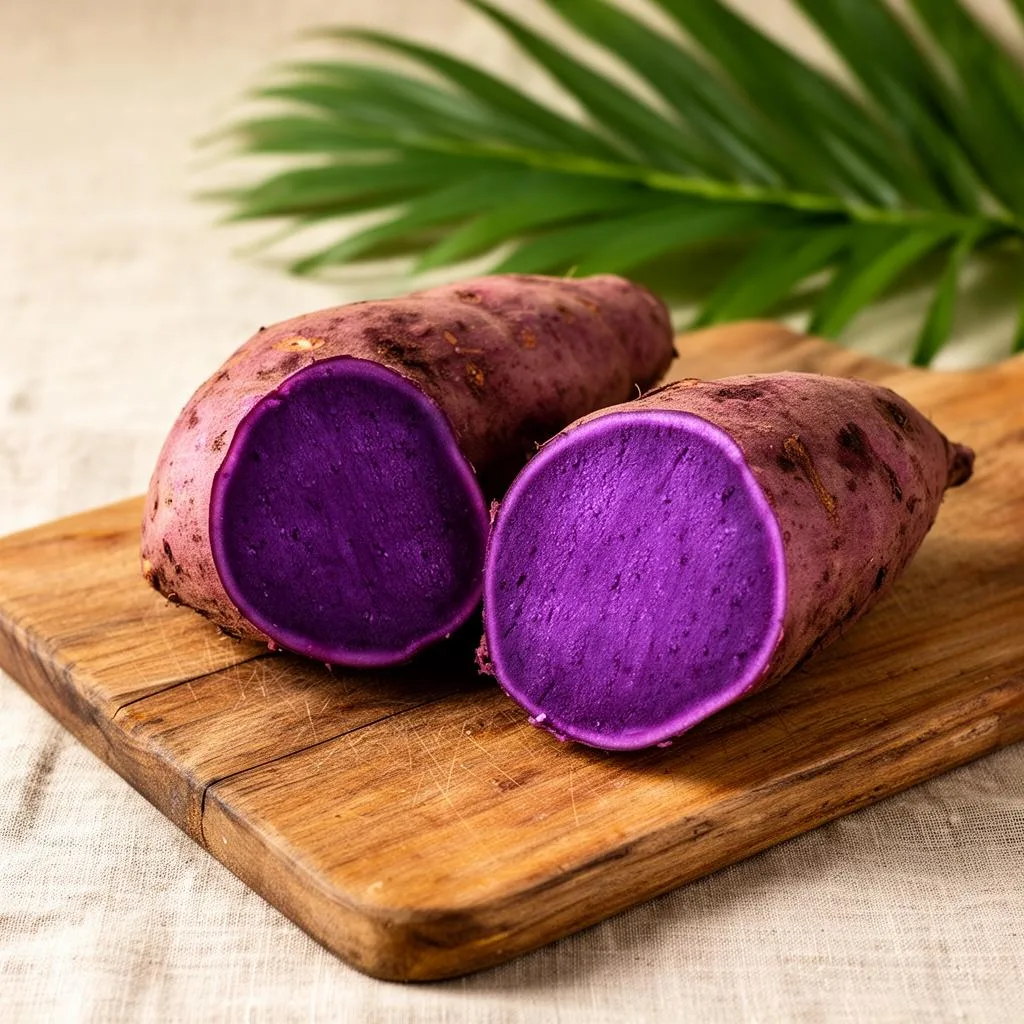
- Purple yam = ube (Dioscorea alata), a Filipino tropical root
- NOT the same as taro or sweet potato, different species entirely
- Naturally purple from anthocyanins (powerful antioxidants)
- Flavor: vanilla, hazelnut, almond. No bitterness or starchiness
- Ube powder makes it easy to use in lattes, baking & desserts
Purple Yam: Definition & Origin
Purple yam is the common English name for ube (pronounced oo-beh), scientifically known as Dioscorea alata. It's a vine-grown tuber native to Southeast Asia that has been cultivated in the Philippines for centuries. In Filipino culture, ube is a beloved ingredient used in iconic dishes like ube halaya (purple yam jam), halo-halo (shaved ice dessert), and pandesal (bread rolls).
The finest purple yam comes from the Pangasinan province in the Philippines, where volcanic soil and tropical climate produce roots with the deepest purple color and richest flavor profile. This is where UBE NOLIA® sources its ube, directly from farmers in Dagupan and Urdaneta.
🇵🇭
Philippines
Primary origin
🌋
Volcanic Soil
Pangasinan
🟣
Anthocyanins
Natural pigments
🍠
Dioscorea alata
True yam family
What Does Purple Yam Taste Like?
Purple yam has a unique flavor that surprises most first-timers. It's mildly sweet with aromatic notes of vanilla, hazelnut, and sometimes almond or coconut. Unlike regular yams or potatoes, ube is not starchy or earthy. It's smooth, delicate, and genuinely aromatic.
This distinctive profile is why ube works so well in both lattes and pastry. It adds flavor depth and natural color without overpowering other ingredients. When processed into powder with low-temperature drying, these aromas are preserved at their peak.
Want a deeper dive? Read our full article: What Does Ube Taste Like? →
Purple Yam vs Taro vs Sweet Potato: Key Differences
One of the biggest sources of confusion: many people (and brands) mix up purple yam, taro, and purple sweet potato. They are three completely different species.
| Feature | Purple Yam (Ube) | Taro | Purple Sweet Potato |
|---|---|---|---|
| Scientific name | Dioscorea alata | Colocasia esculenta | Ipomoea batatas |
| Flesh color | Deep vibrant purple | White/grey with purple flecks | Purple (variable) |
| Flavor | Vanilla, hazelnut, almond | Starchy, nutty, earthy | Earthy, mildly sweet |
| Anthocyanins | ✅ Very high | ⚠️ Low | ⚠️ Moderate |
| Best for | Lattes, pastry, desserts | Savory dishes, bubble tea | Baking, chips |
| Origin | Philippines, SE Asia | Pacific Islands, Asia | Americas |
Purple Yam in Filipino Culture
In the Philippines, ube isn't just a food, it's a cultural icon. It appears in celebrations, family gatherings, and everyday treats. Some of the most beloved Filipino ube creations include:
🍮
Ube Halaya
A thick, sweet purple yam jam that forms the base of many Filipino desserts. Traditionally made by slow-cooking grated ube with coconut milk and sugar. See our recipe →
🍧
Halo-Halo
The Philippines' most famous dessert: shaved ice topped with sweet beans, fruits, leche flan, and a generous scoop of ube halaya or ube ice cream.
🍞
Ube Pandesal
Soft, fluffy purple bread rolls, a modern twist on the classic Filipino breakfast bread. The ube adds a subtle sweetness and stunning color. See our recipe →
🍦
Ube Ice Cream
One of the most popular ice cream flavors in the Philippines, now conquering the world. Creamy, vibrant, and uniquely aromatic. See our recipe →
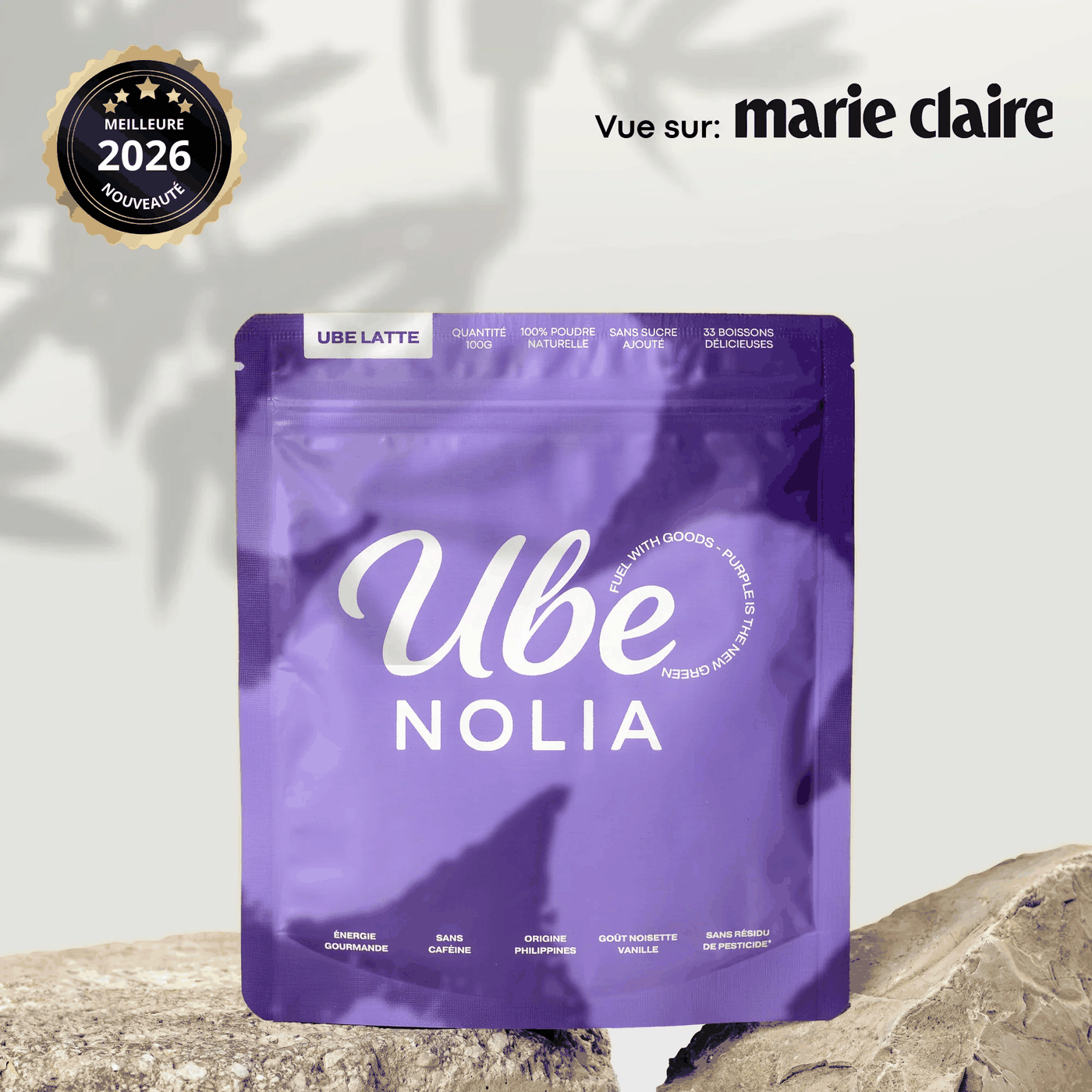
Less than a coffee. Better than a matcha.
With the 5-pack subscription, you get 165 ube lattes at home. Cheaper than a café - and delivered to your door.