About Ube
Everything you need to know about ube, the purple yam from the Philippines.
New to the purple yam? Start with the complete guide: What is ube?
Quick answer
Key facts
- Botanical name: Dioscorea alata, a yam, not a sweet potato.
- Flavor: naturally sweet, notes of vanilla and biscuit.
- A good source of fiber, supporting a healthy digestive system.
- Ube Nolia powder is caffeine-free, vegan and naturally gluten-free.
- One 100 g pouch makes 33 ube lattes.
September 1, 2026
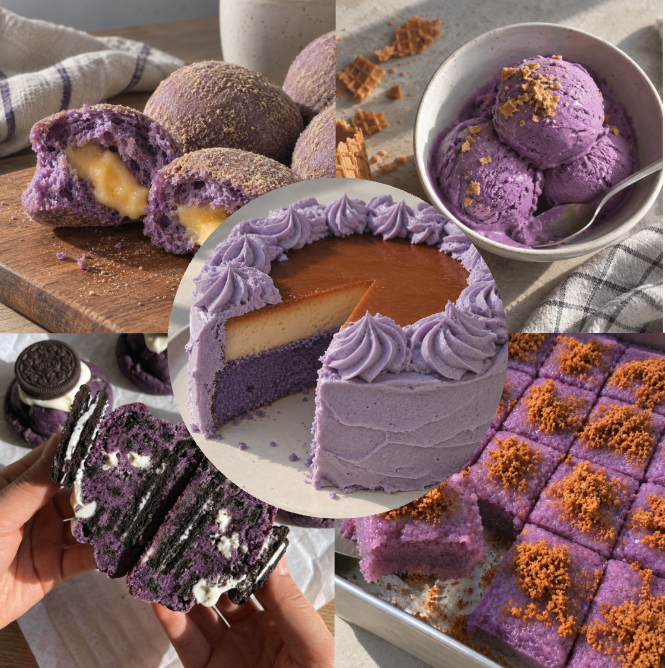
Top 6 Filipino Ube Desserts You Can Make at Home
Pandesal, halaya, biko, flan cake, cookies and ice cream: the Filipino ube classics, made simple with pure ube powder.
June 1, 2026
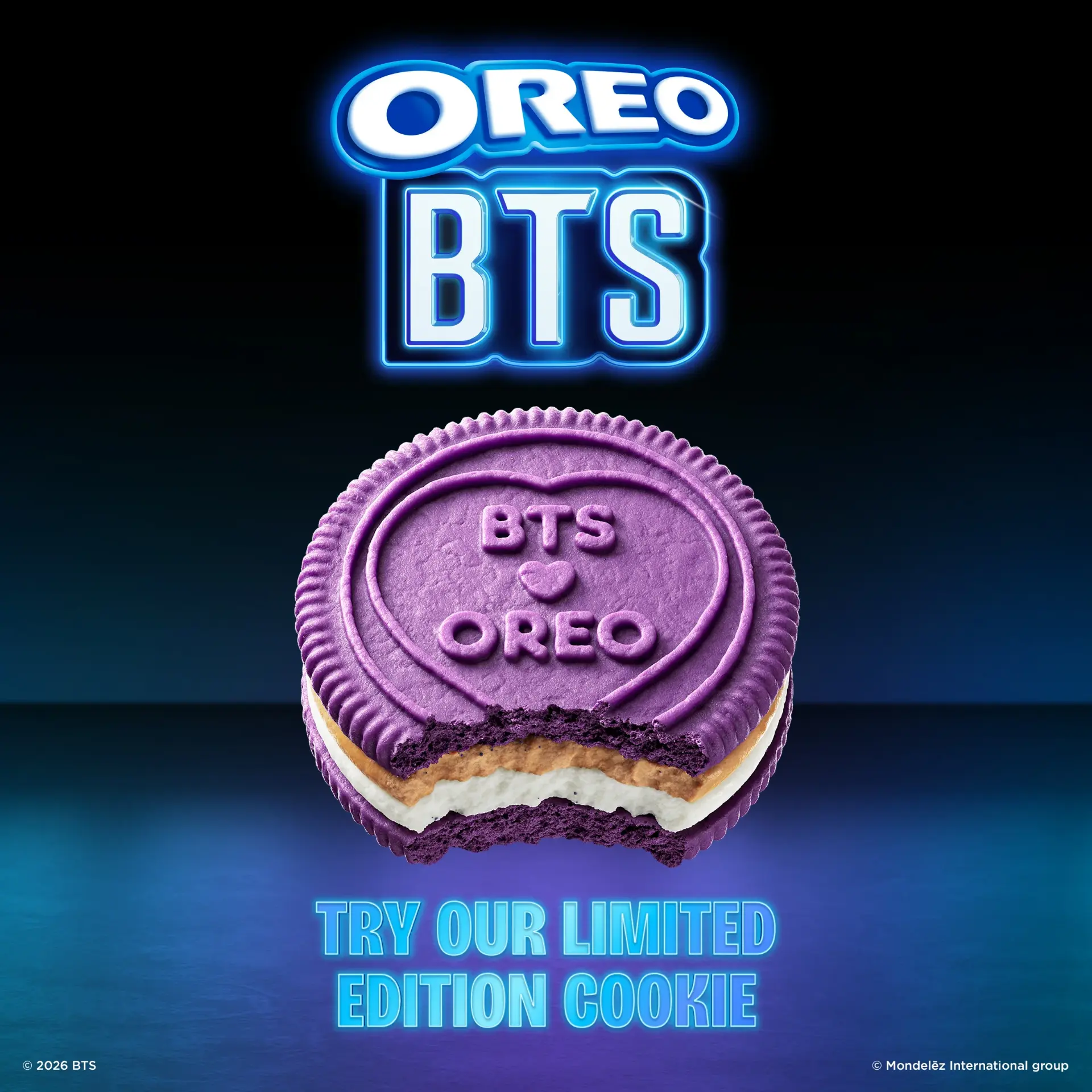
OREO x BTS Purple: Is It Really Ube?
The first purple OREO wafer is here with BTS. Hotteok cream, 13 embossments, and why it isn't actually ube.
March 7, 2026
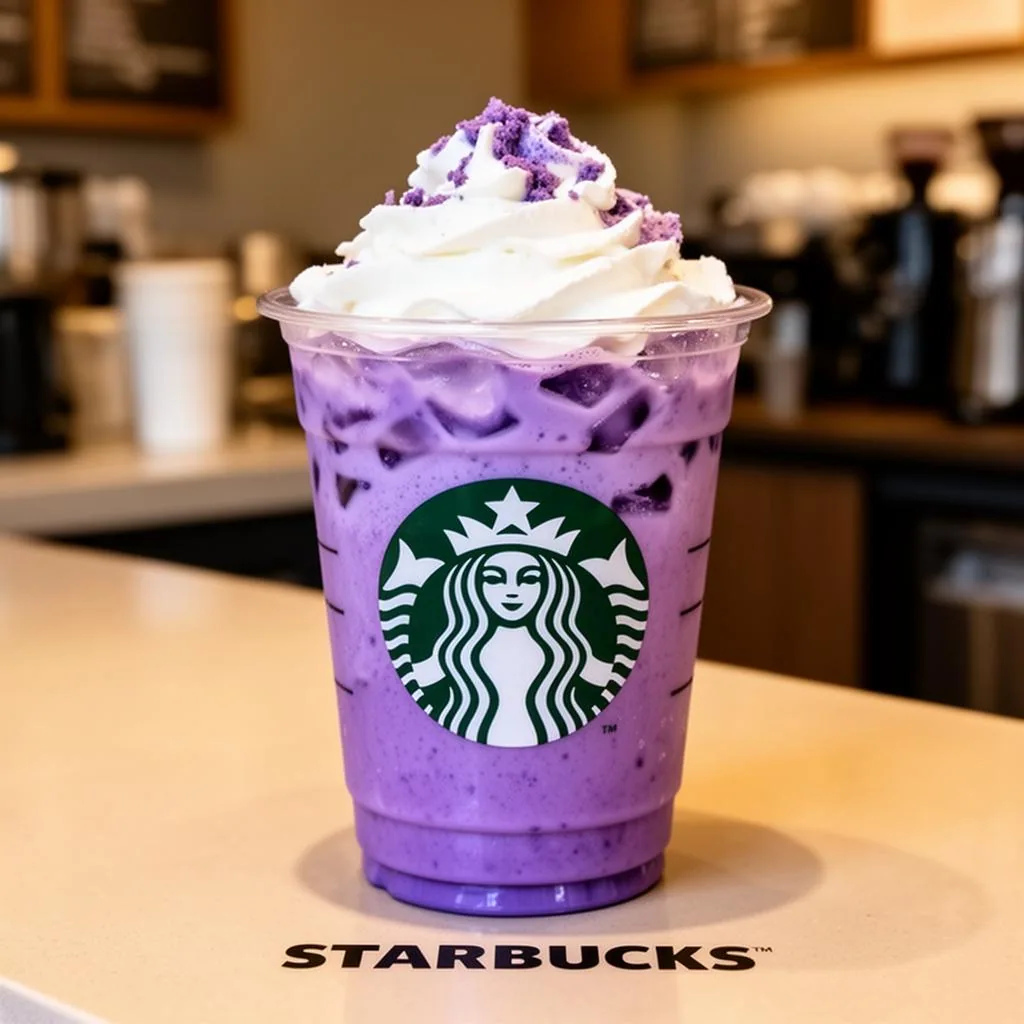
What Is Ube at Starbucks?
Everything about Starbucks' viral purple drink: what ube is, menu options, prices, and how to make it at home for $0.90.
March 5, 2026
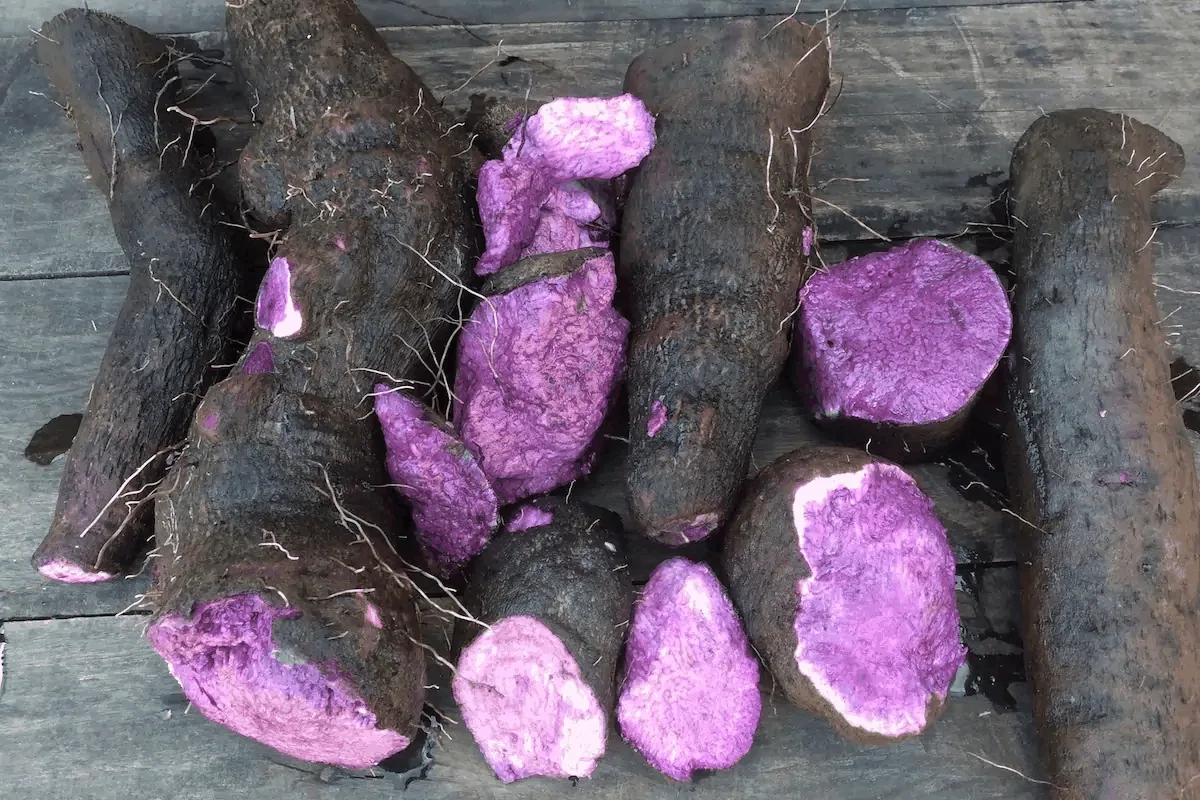
What Is Ube? Complete Guide to Purple Yam
Ube is a purple yam from the Philippines with a naturally sweet vanilla-biscuit flavor. Complete guide: origin, nutrition, and uses.
March 5, 2026
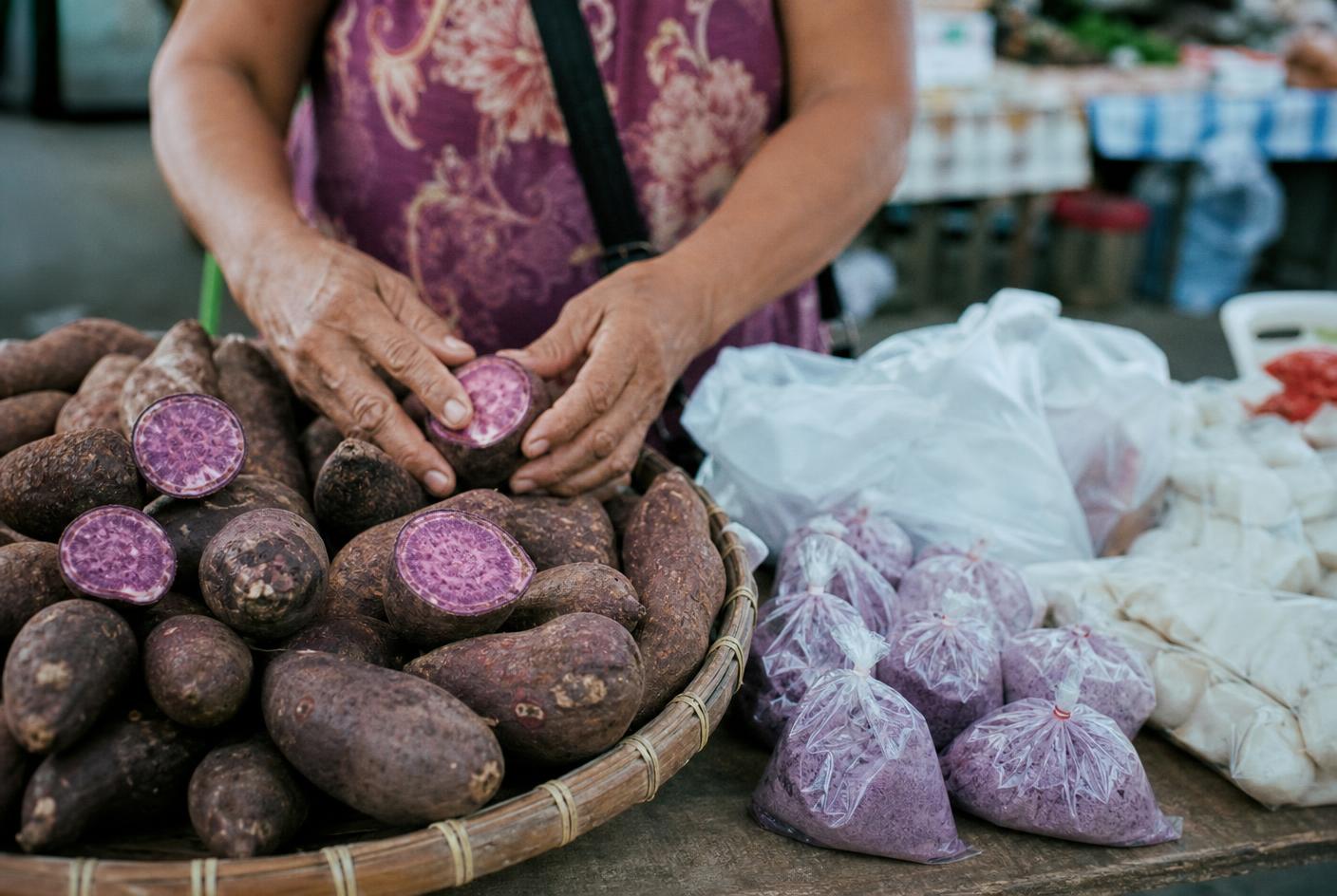
Where to Buy Ube Flavor: Complete Buying Guide 2026
Where to buy ube flavor in the US. Complete guide: ube powder vs extract, online vs stores, quality tips.
March 5, 2026
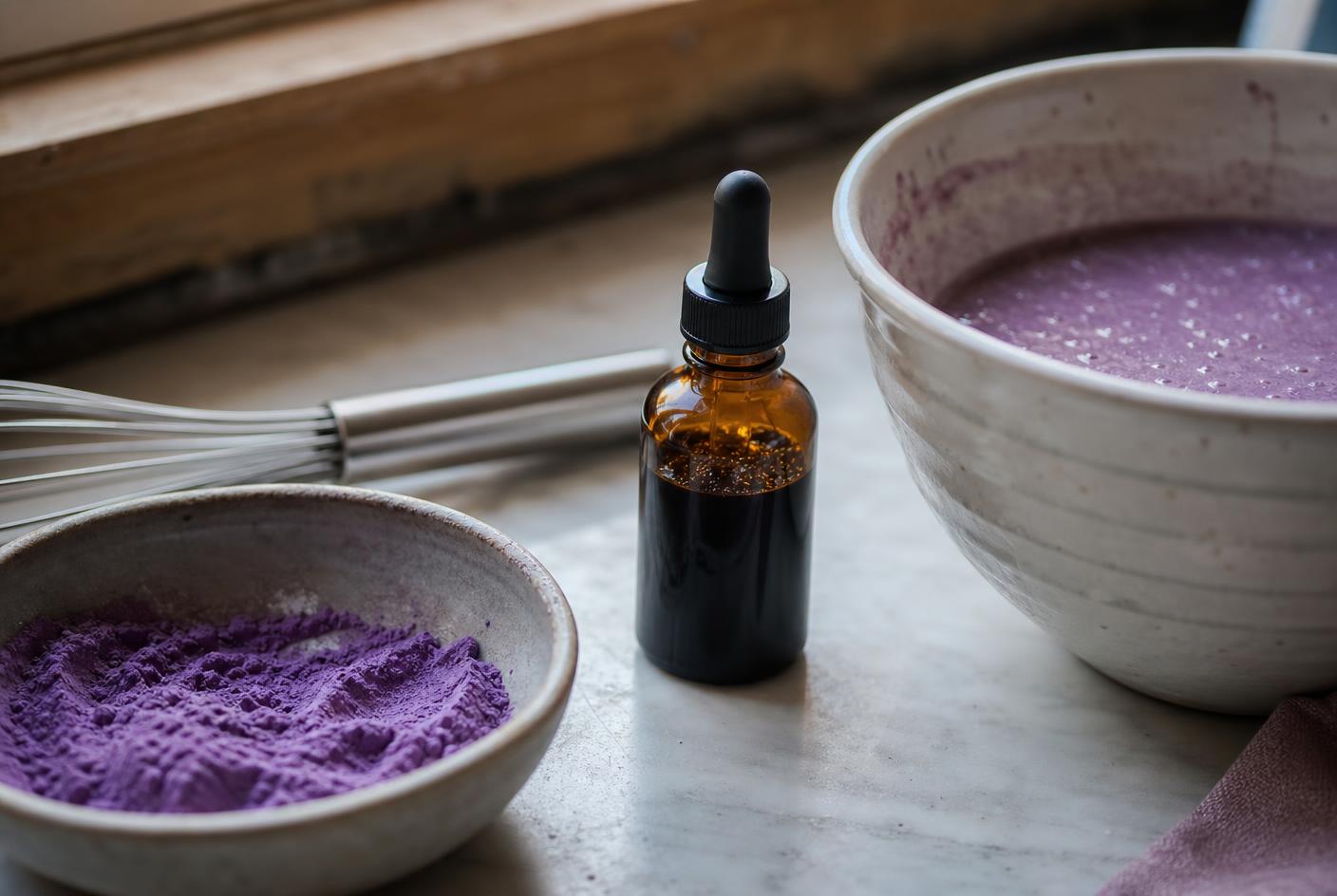
Where to Buy Ube Extract: Complete Guide 2026
Where to buy ube extract in the US. What is ube extract, how it differs from ube powder, and best brands.
March 4, 2026
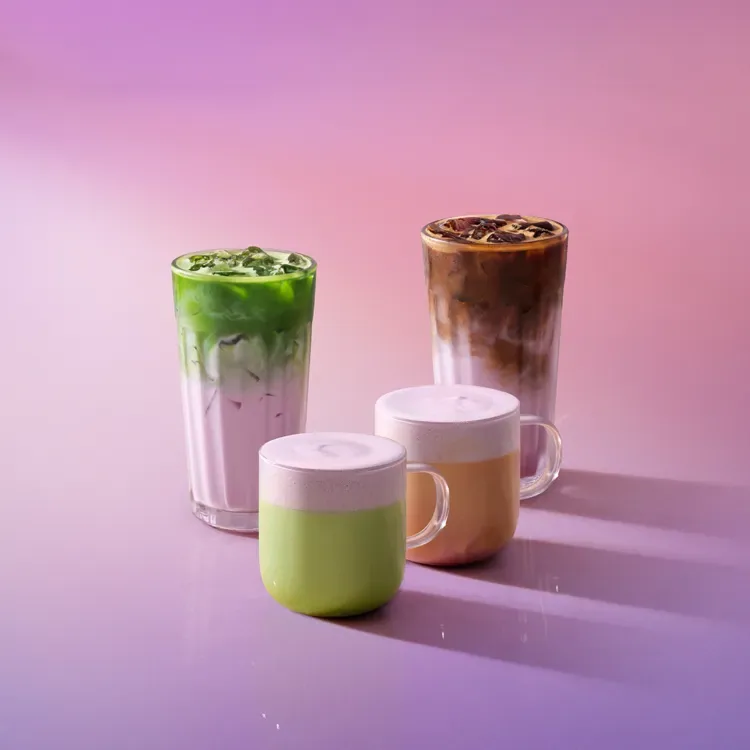
Starbucks Ube Latte Spring 2026: Every Drink Reviewed
Starbucks launched 6 ube drinks for Spring 2026. What is ube, which drink to try, and why homemade is even better.
March 4, 2026
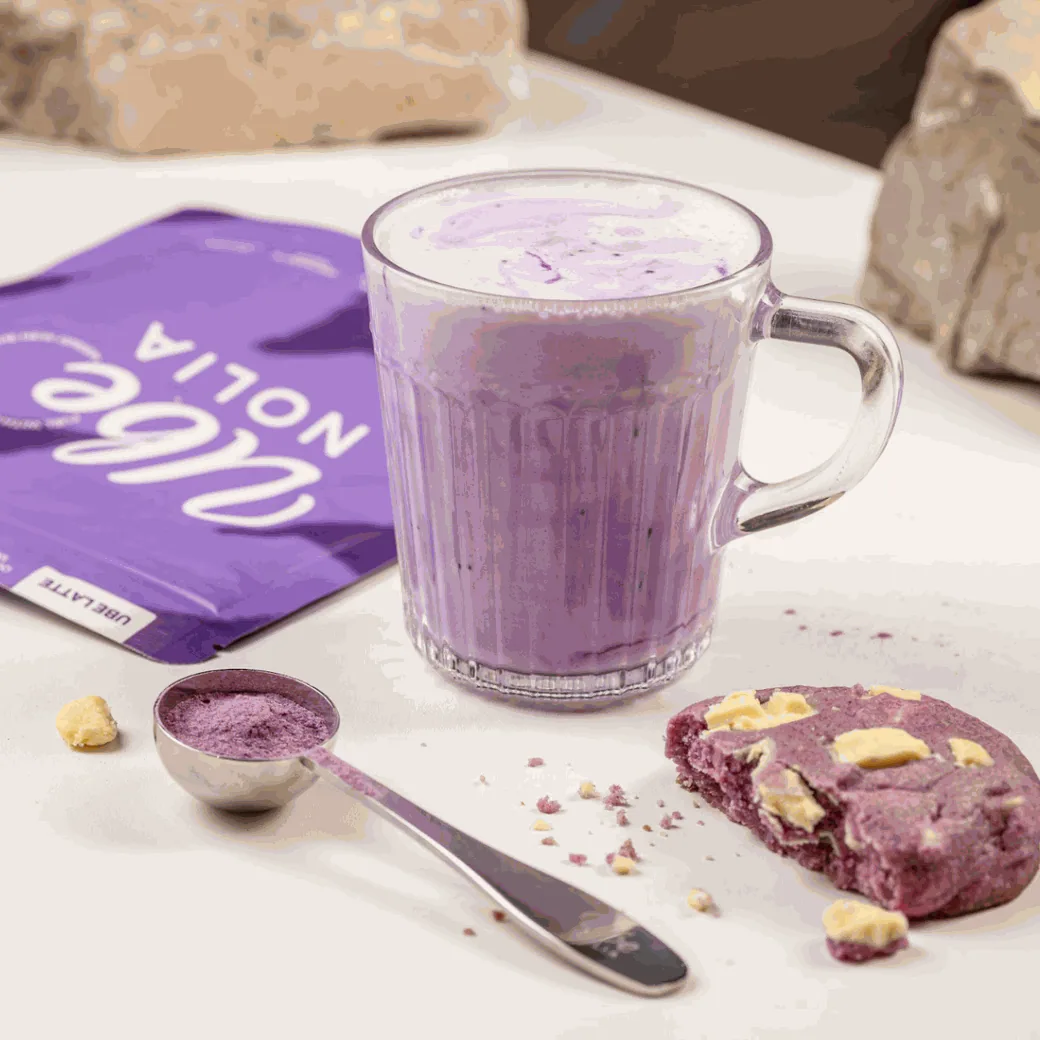
What Does Ube Taste Like?
Vanilla, biscuit, white chocolate - discover ube's unique flavor profile and why it's taking over coffee shops worldwide.
March 4, 2026
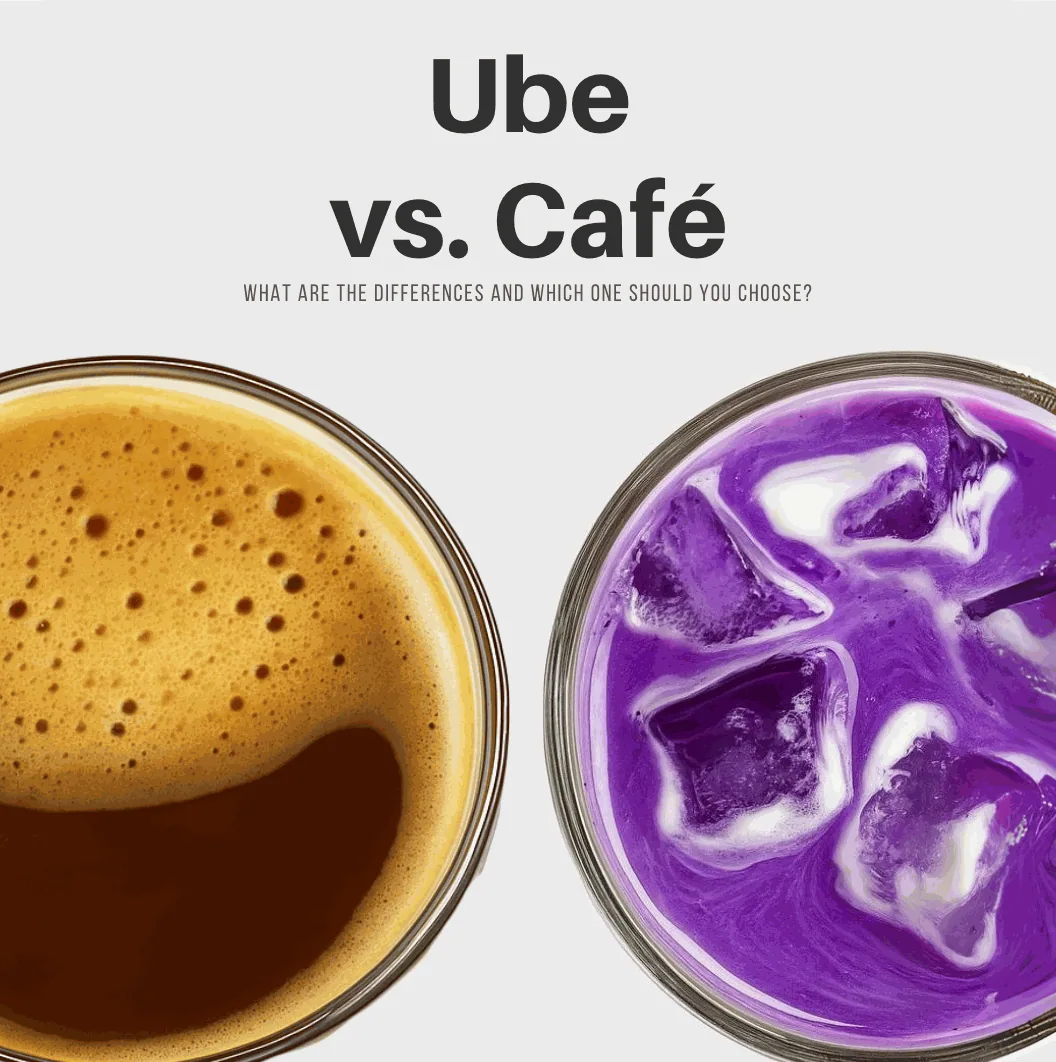
Ube Latte vs Coffee: The Caffeine-Free Alternative
Can ube latte replace your morning coffee? Complete comparison of caffeine, taste, digestion, and health benefits.
March 4, 2026
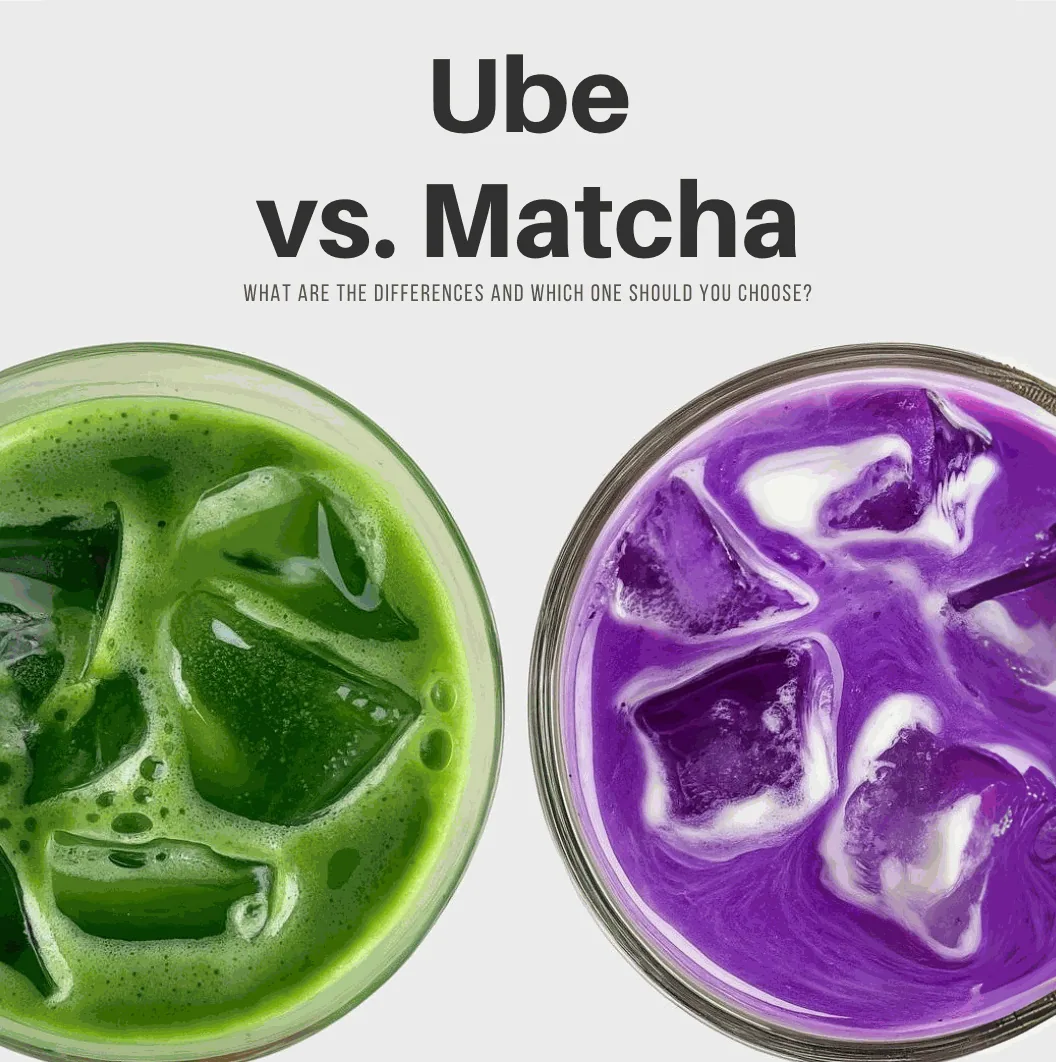
Ube Latte vs Matcha Latte
Two viral lattes, two vibrant colors. Complete comparison of taste, caffeine, health benefits, and preparation.

July 10, 2025
What's the Best Brand of Ube?
Our 100% honest comparison of ube powder brands. Origin, purity, taste, processing: everything you need to know.
March 25, 2025
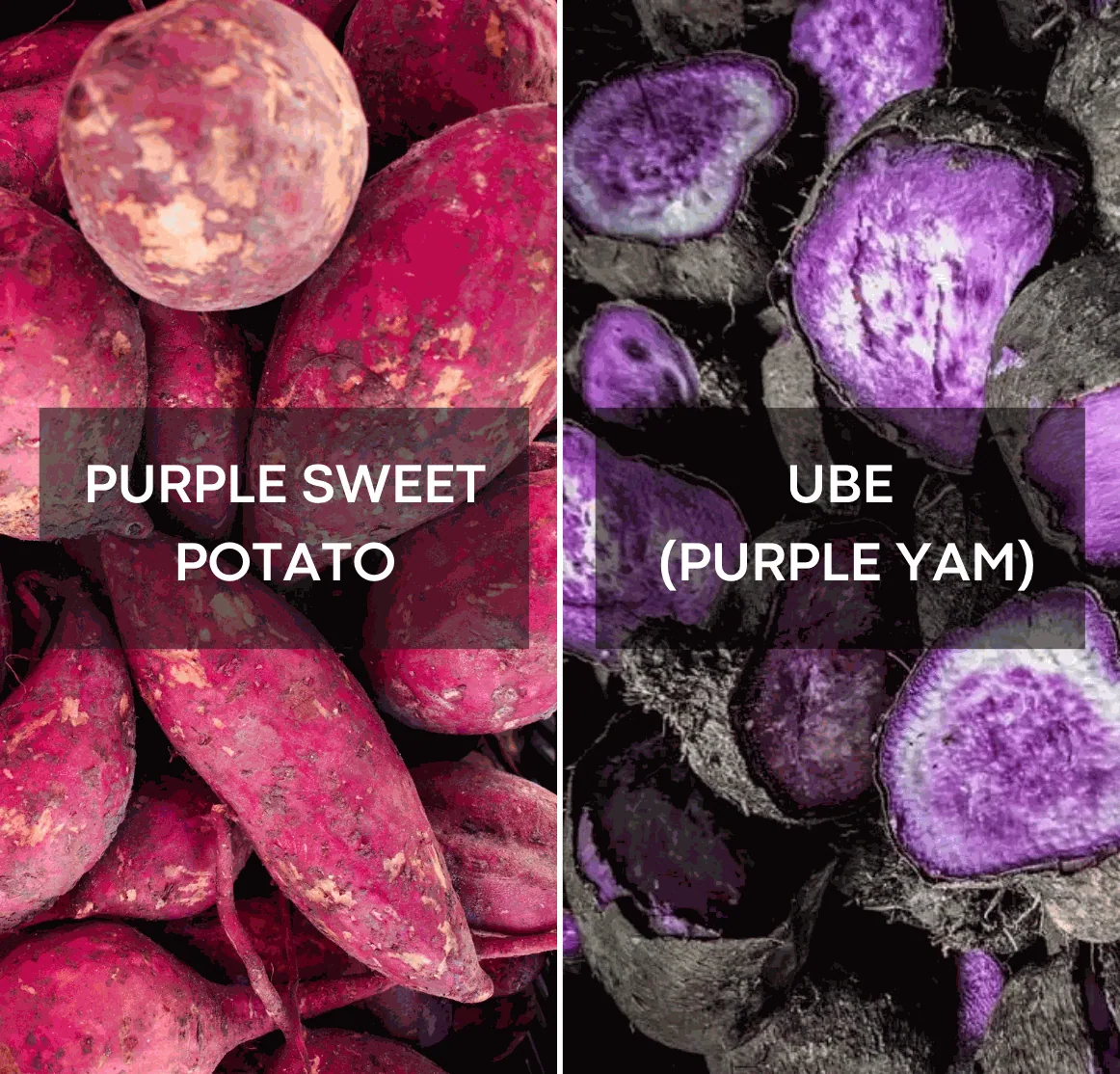
Ube vs Purple Sweet Potato
Ube and purple sweet potato look alike but taste completely different. Complete comparison guide.
March 20, 2025
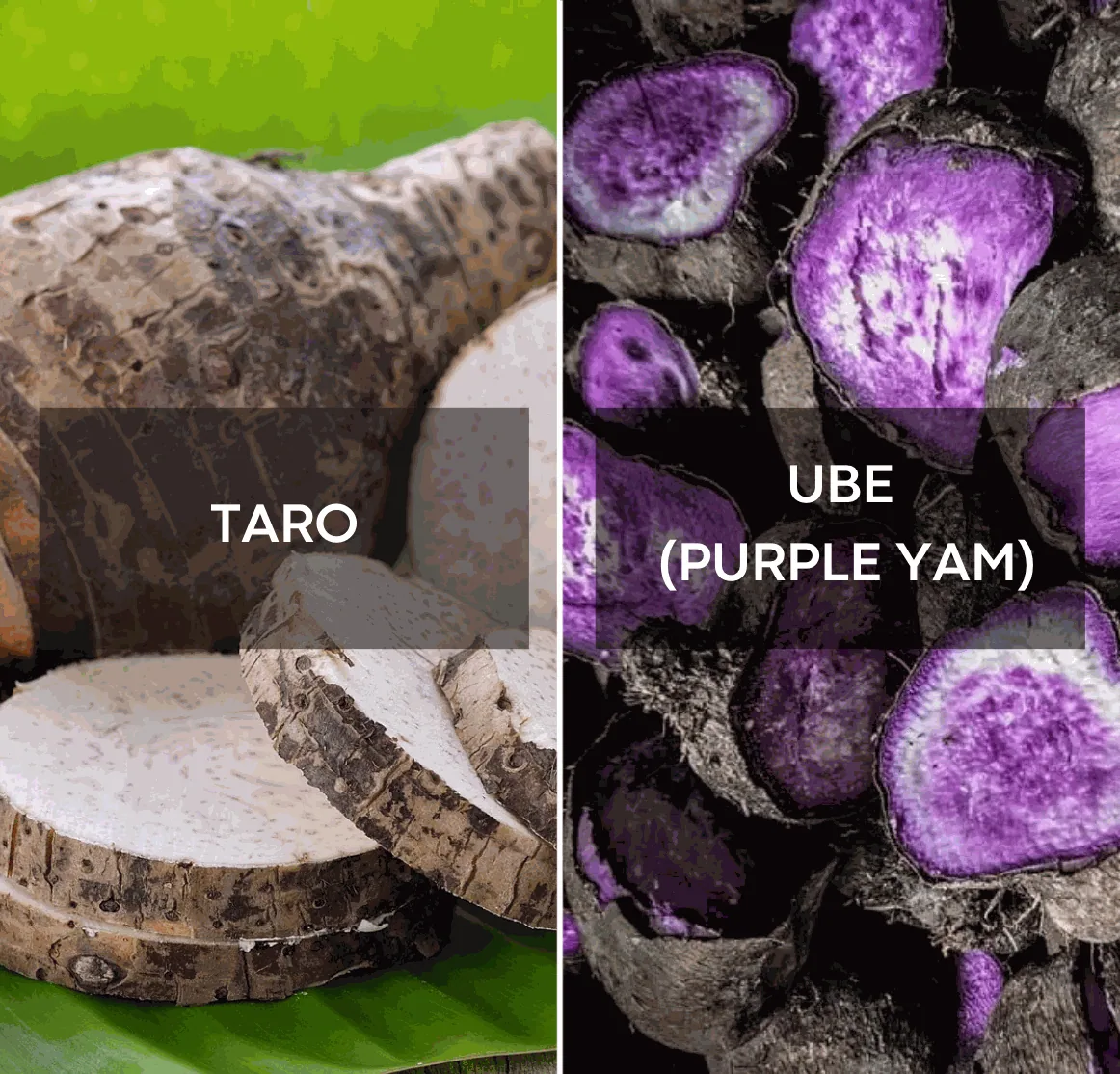
Ube vs Taro: What's the Real Difference?
Ube and taro are often confused. Discover what makes them unique and why ube stands out.
March 7, 2026
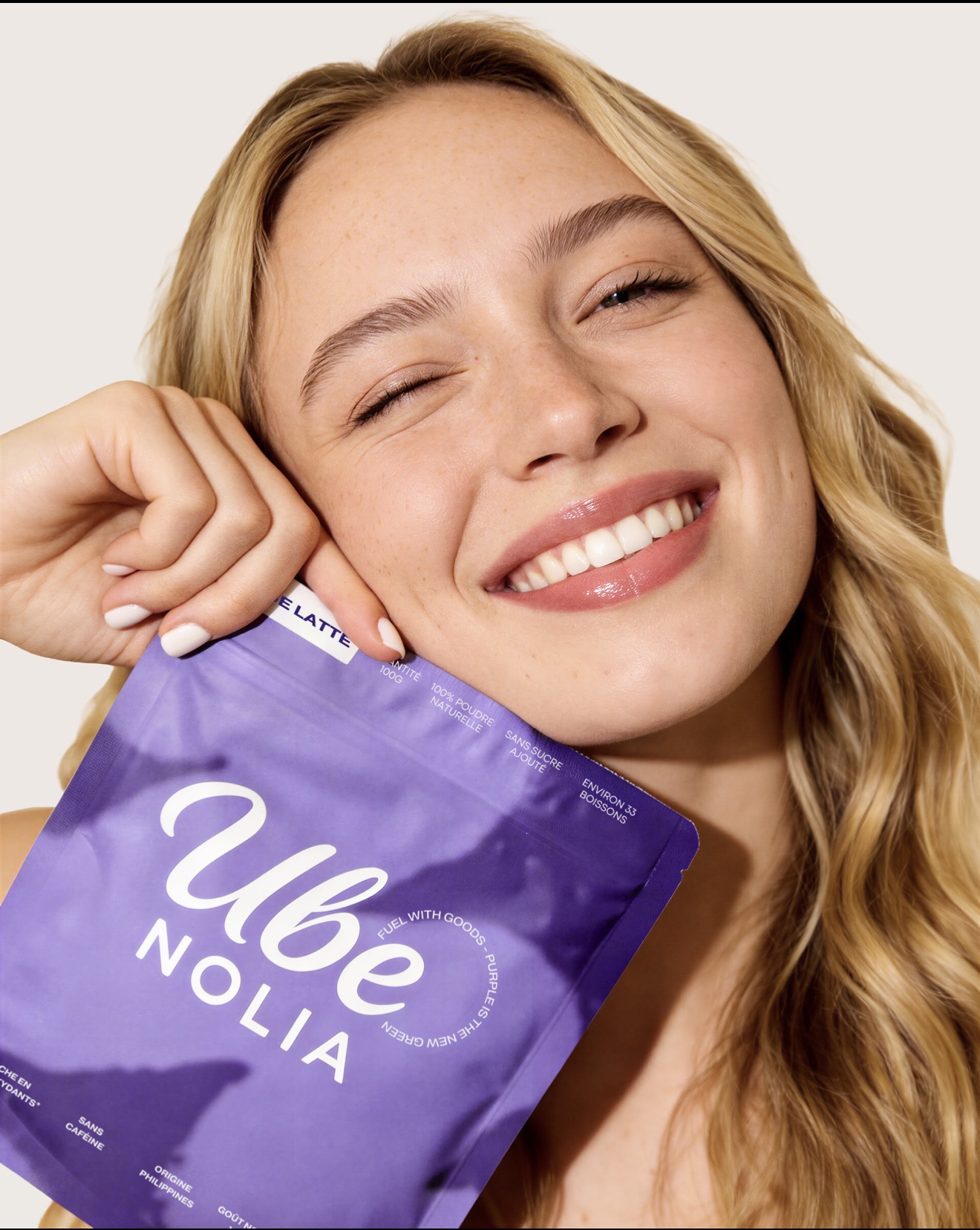
Buy Ube Powder: The Complete Guide
Everything about buying ube powder: quality criteria, formats, prices, recipes. 100% pure Filipino ube.
March 7, 2026
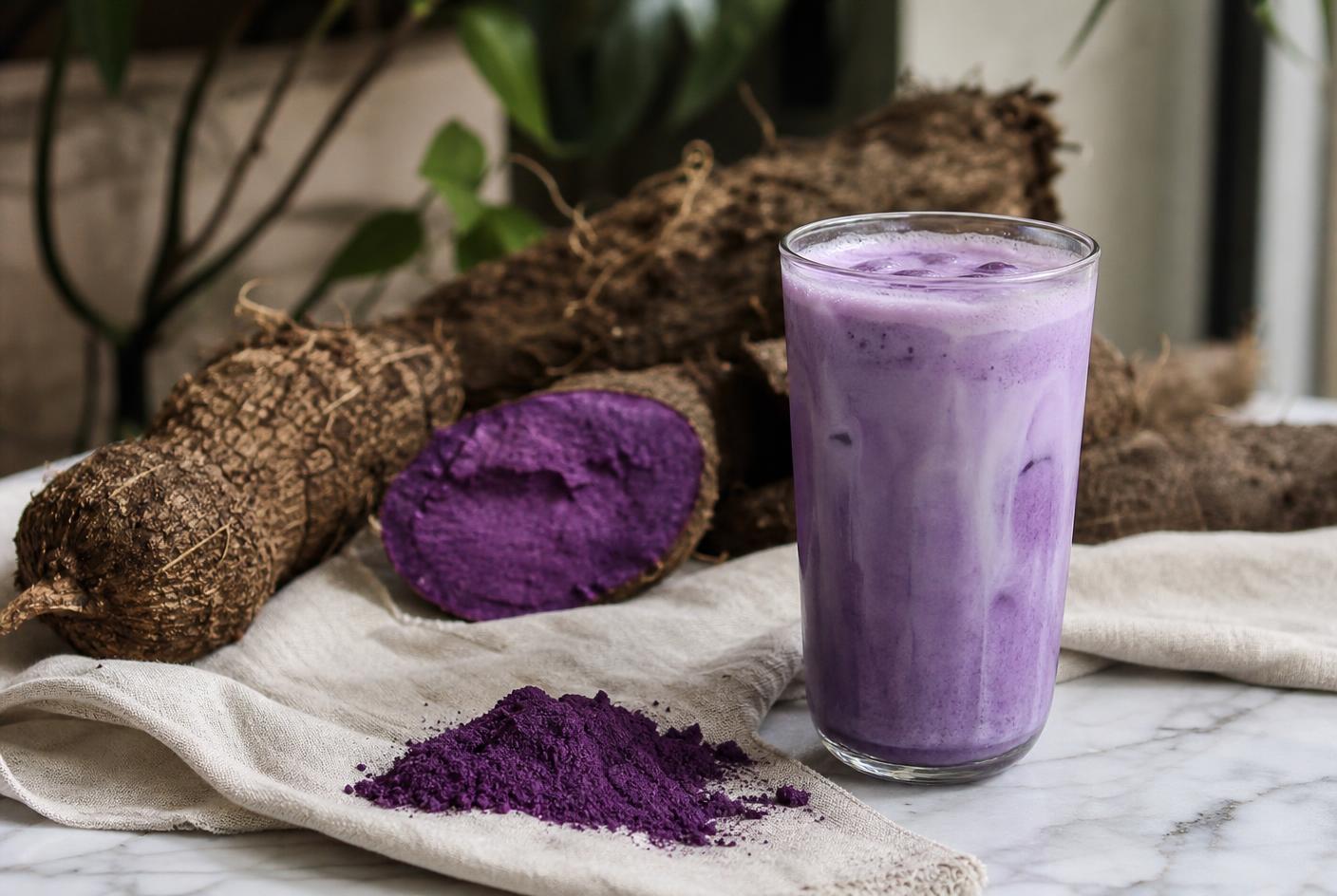
Ube Powder Benefits: Nutrition Guide
Anthocyanins, antioxidants, fiber, vitamins: what makes purple yam powder a natural superfood.
March 8, 2026
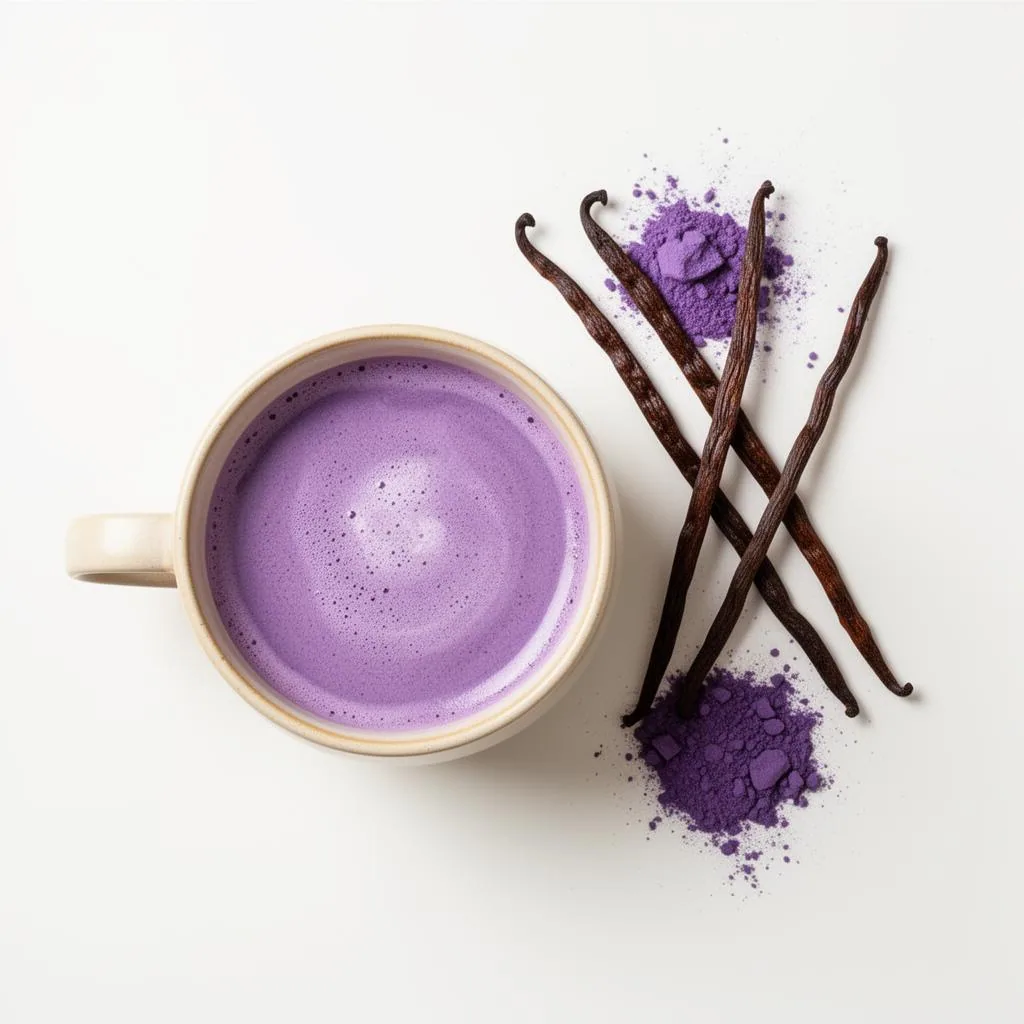
What Is Ube Vanilla?
Ube naturally tastes like vanilla, white chocolate, and toasted biscuit. The trendiest flavor of 2026.
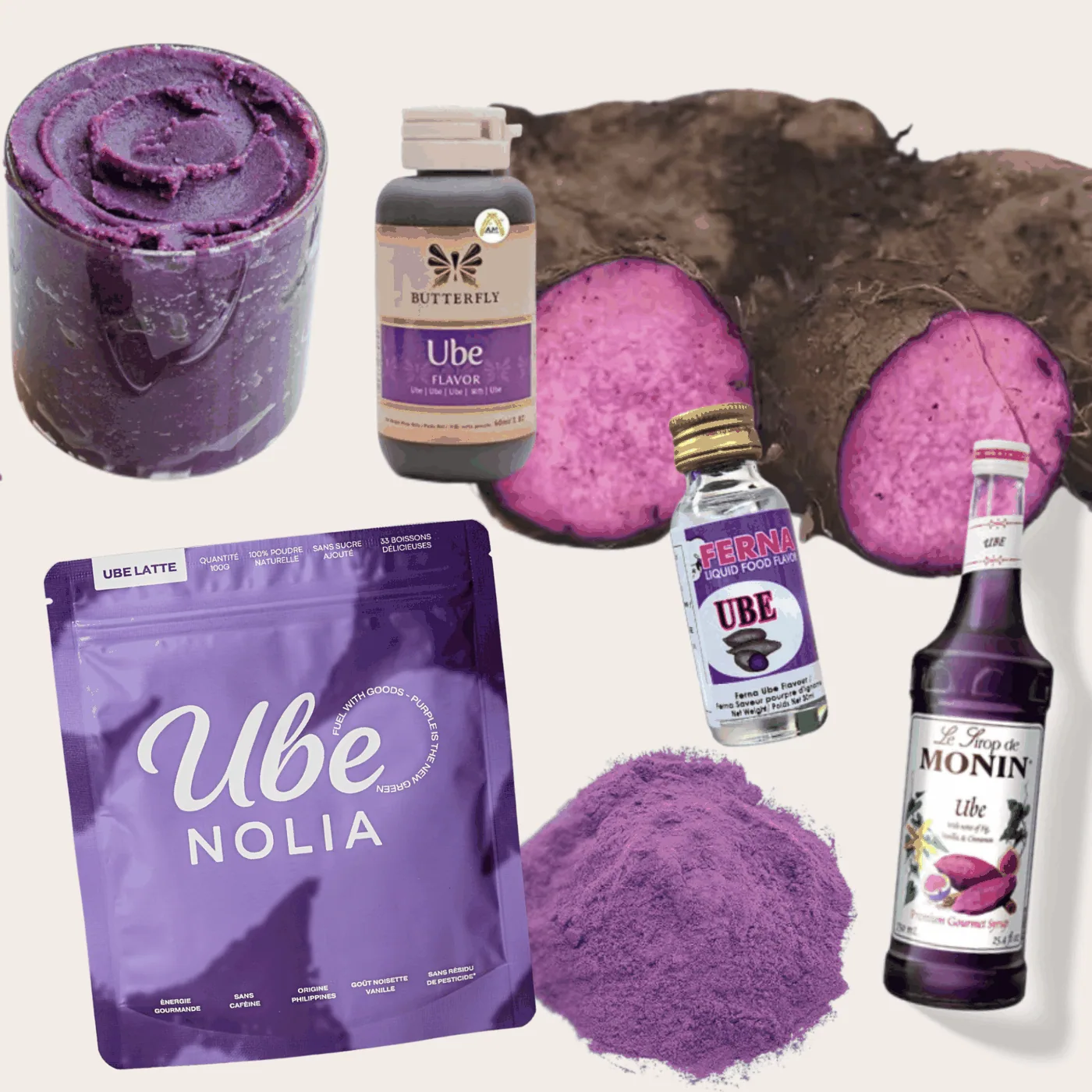
March 27, 2026
Buy Ube Powder: The Complete Guide
Everything about buying ube powder: quality criteria, formats, prices, recipes. 100% pure Filipino ube.
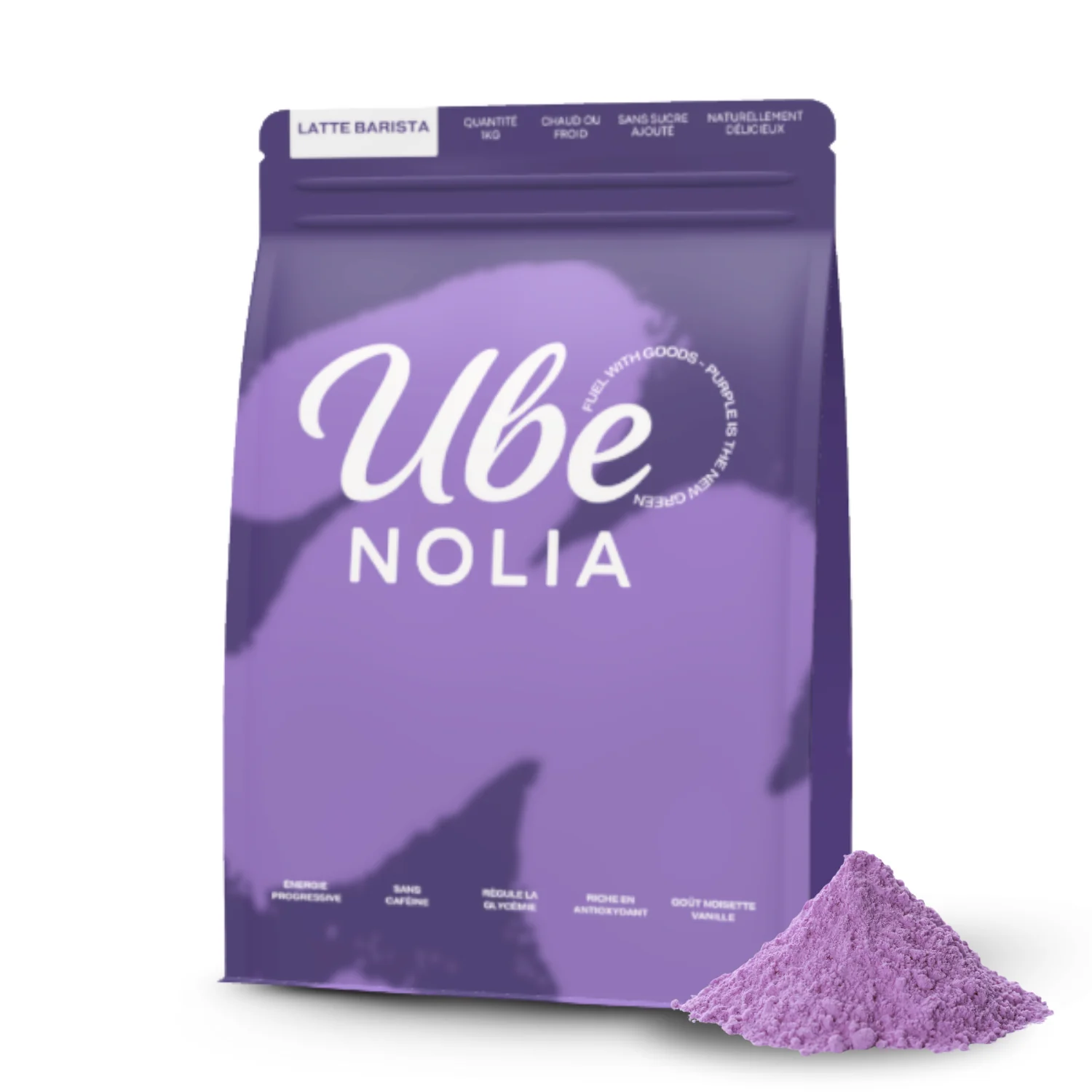
March 27, 2026
How to Choose the Best Wholesale Ube Powder Supplier
Essential criteria for selecting a wholesale ube powder supplier. Quality, traceability, certifications, and supply stability.
New to purple yam? Read our complete guide: What is ube? - origin, taste, benefits and how to use Ube Nolia ube powder.



Get 10% Off your first order
Sign up to receive an instant 10% discount, plus our newsletter and current promotions