
Über Ube
Alles, was Sie über Ube, die lila Yamswurzel von den Philippinen, wissen müssen.
March 7, 2026
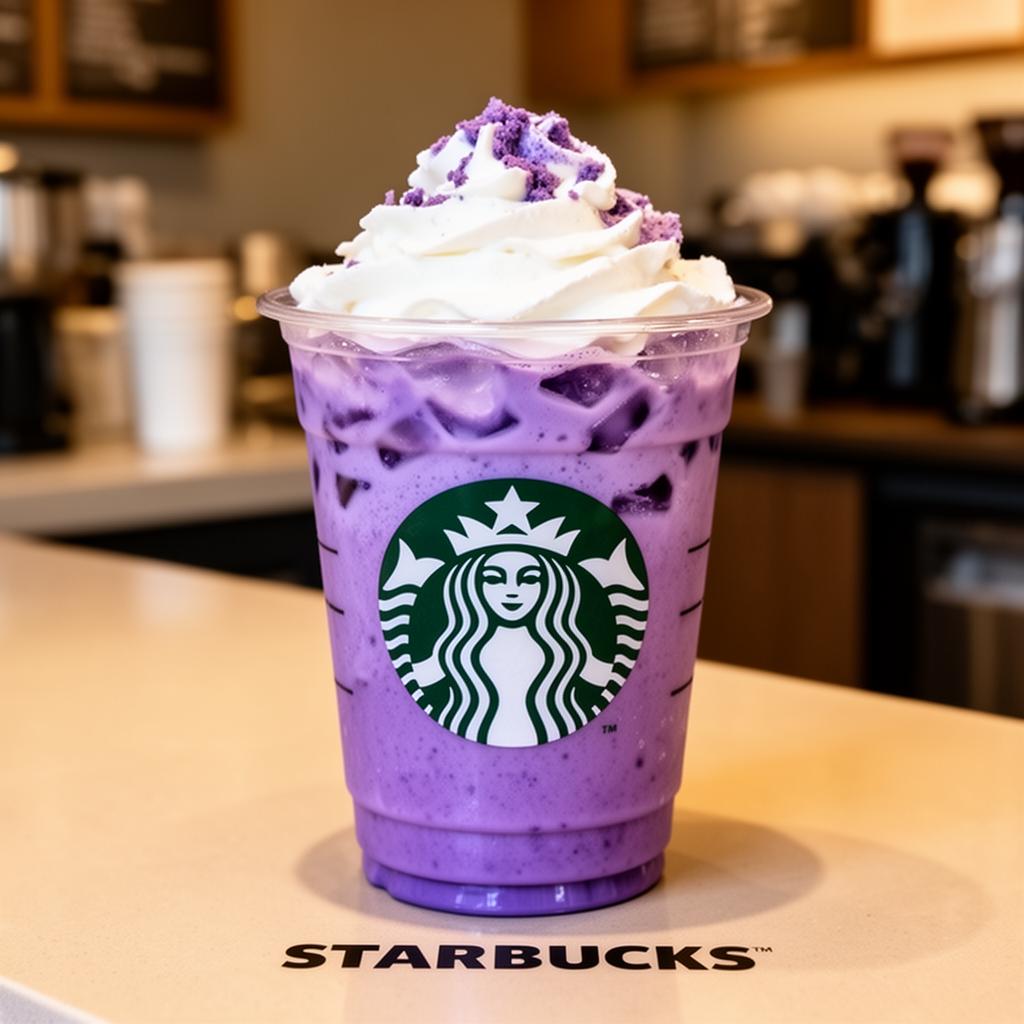
Was ist Ube bei Starbucks?
Alles über Starbucks' virales lila Getränk: Was Ube ist, Menüoptionen, Preise und wie man es zu Hause für 0,90 $ selbst zubereitet.
March 5, 2026
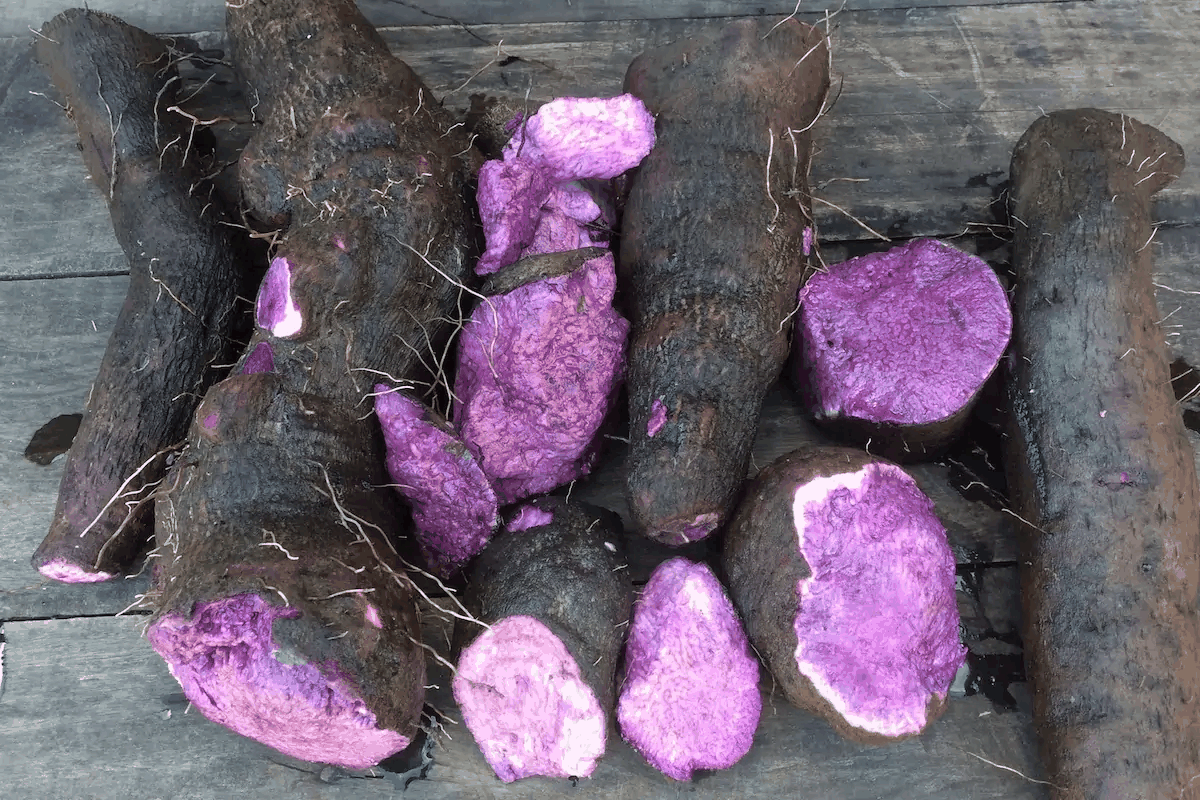
Was ist Ube? Der vollständige Leitfaden zur lila Yamswurzel
Ube ist eine lila Yamswurzel von den Philippinen mit einem natürlich süßen Vanille-Haselnuss-Geschmack. Vollständiger Leitfaden: Herkunft, Nährwerte und Verwendung.
March 5, 2026
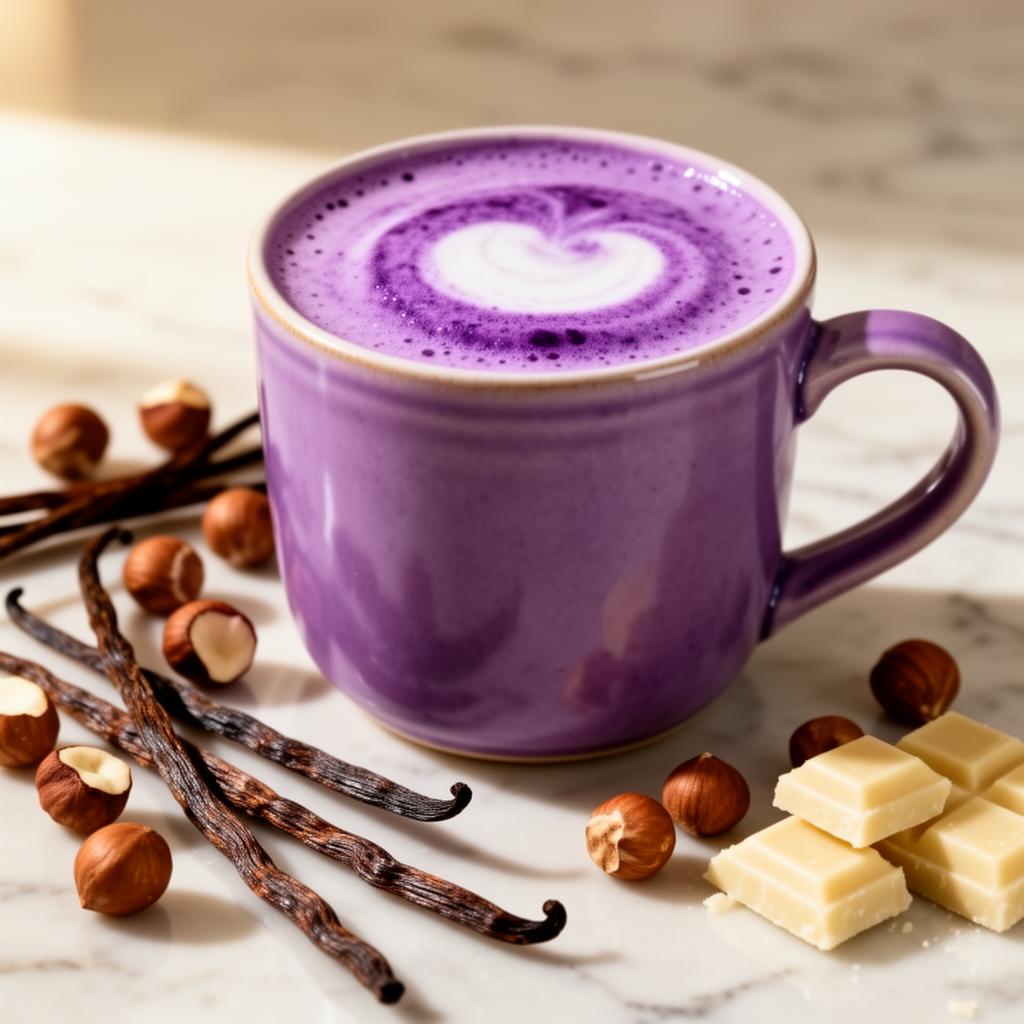
Was ist Ube-Geschmack? Der vollständige Geschmacksleitfaden
Alles über den Ube-Geschmack: Vanille-, Haselnuss- und Karamellnoten. Was diese lila Yamswurzel so einzigartig schmecken lässt.
March 5, 2026
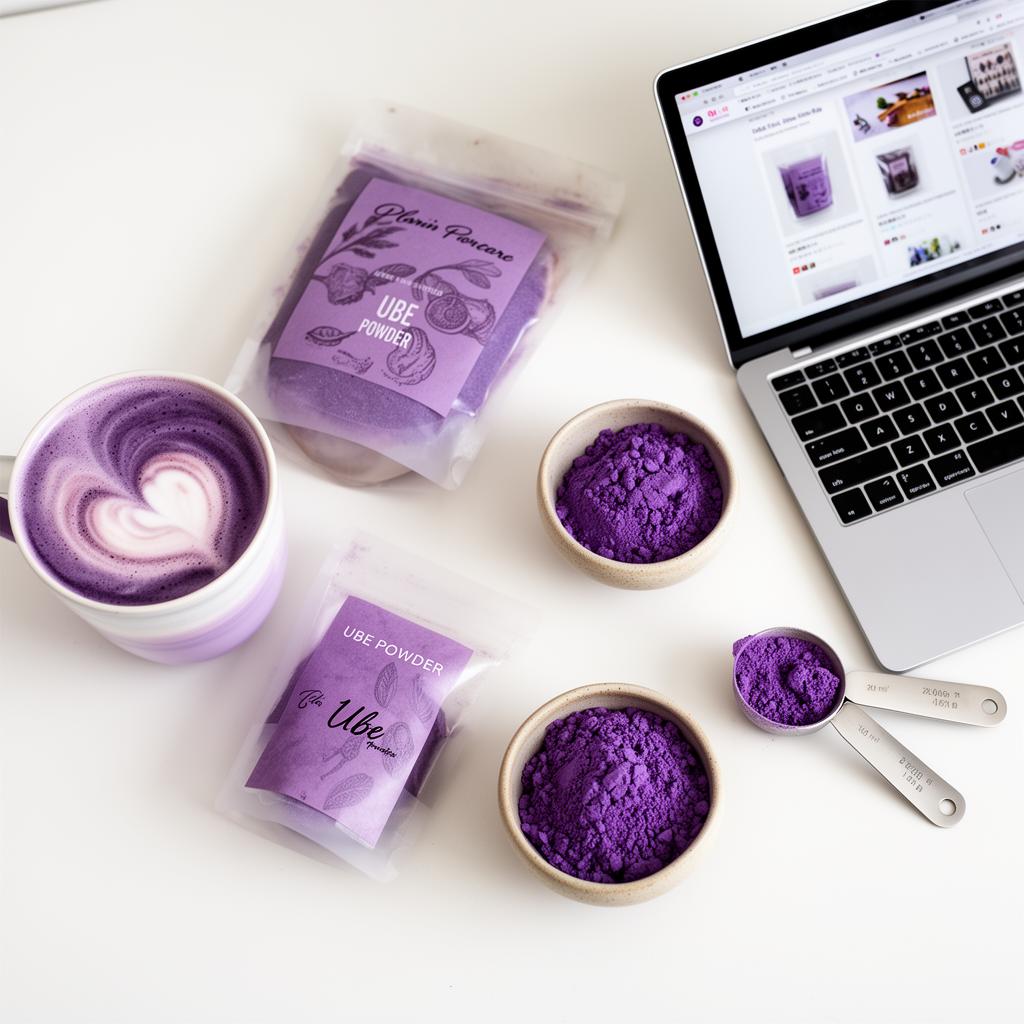
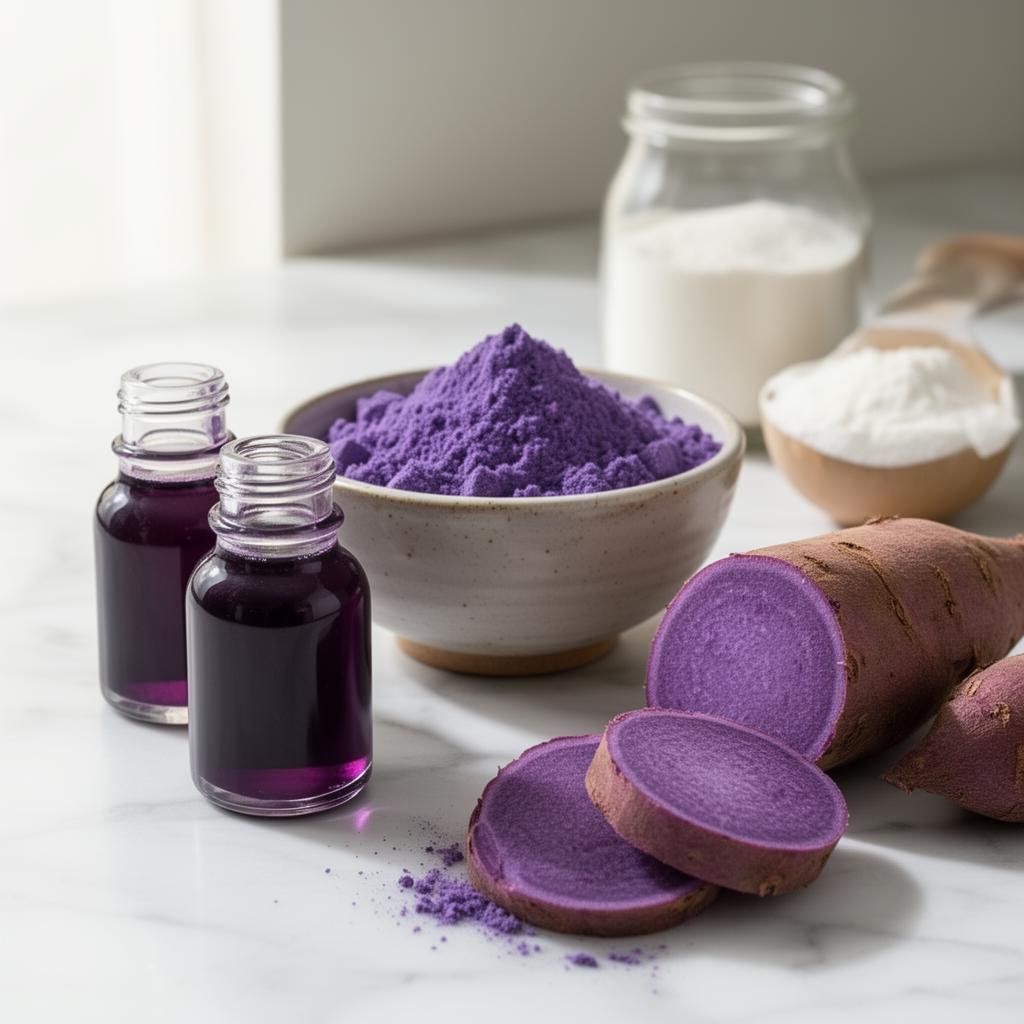
Wo Ube-Aroma kaufen: Vollständiger Einkaufsführer 2026
Wo man Ube-Aroma in den USA kaufen kann. Vollständiger Leitfaden: Ube-Pulver vs. Extrakt, online vs. Geschäfte, Qualitätstipps.
March 5, 2026
Wo Ube-Extrakt kaufen: Vollständiger Leitfaden 2026
Wo man Ube-Extrakt in den USA kaufen kann. Was Ube-Extrakt ist, wie es sich von Ube-Pulver unterscheidet und die besten Marken.
March 4, 2026
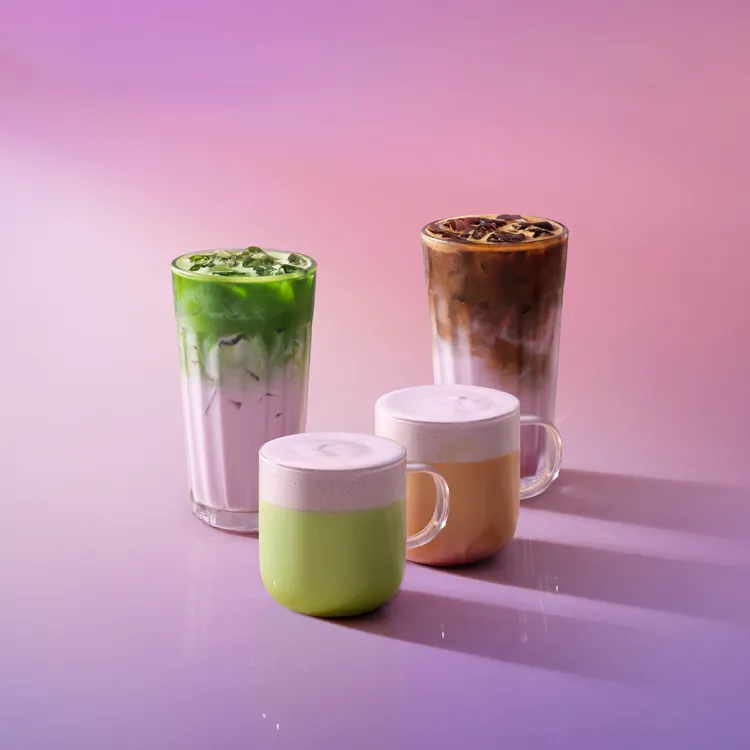
Starbucks Ube Latte Frühling 2026: Jedes Getränk im Test
Starbucks hat 6 Ube-Getränke für Frühling 2026 auf den Markt gebracht. Was ist Ube, welches Getränk sollte man probieren und warum selbstgemacht noch besser ist.
March 4, 2026
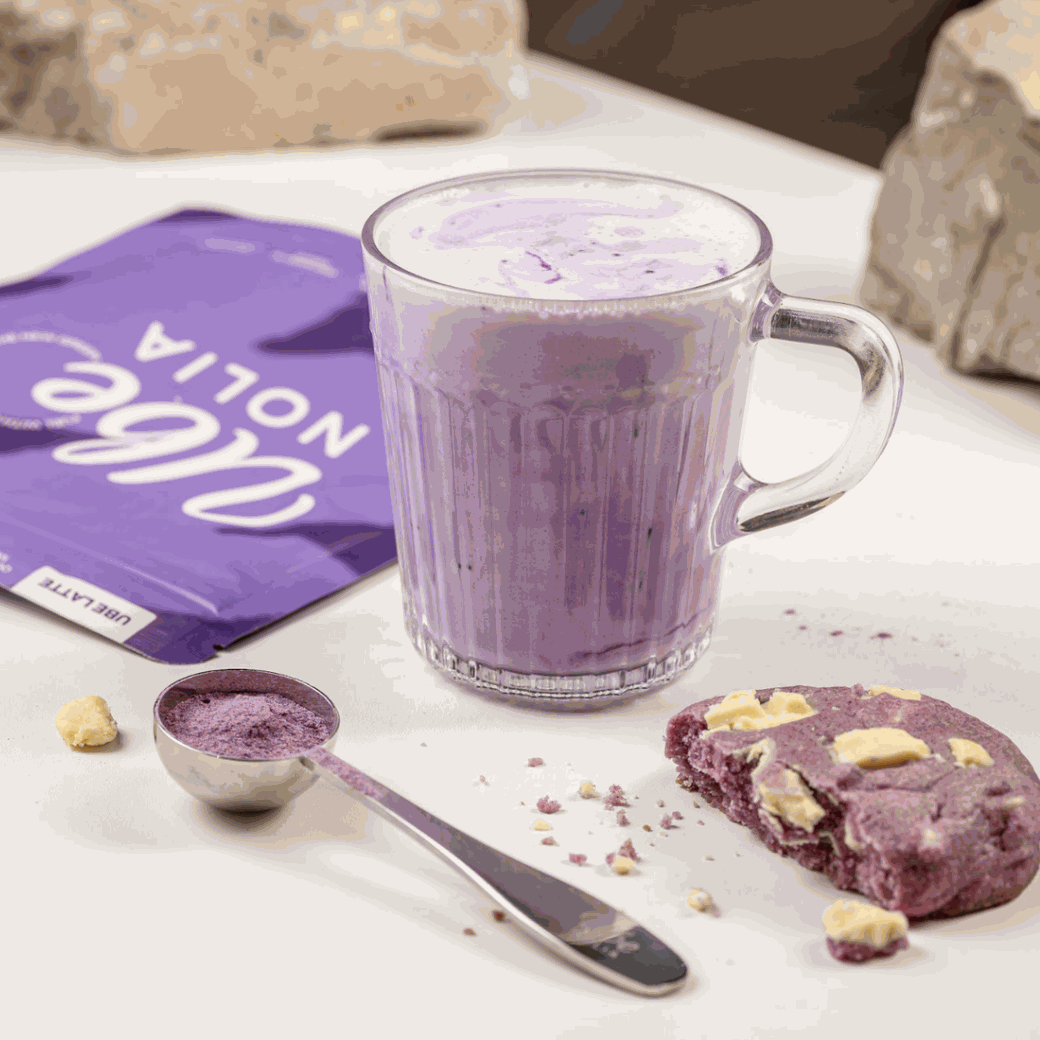
Wie schmeckt Ube?
Vanille, Haselnuss, weiße Schokolade – entdecken Sie Ubes einzigartiges Geschmacksprofil und warum es Kaffeegeschäfte weltweit erobert.
March 4, 2026
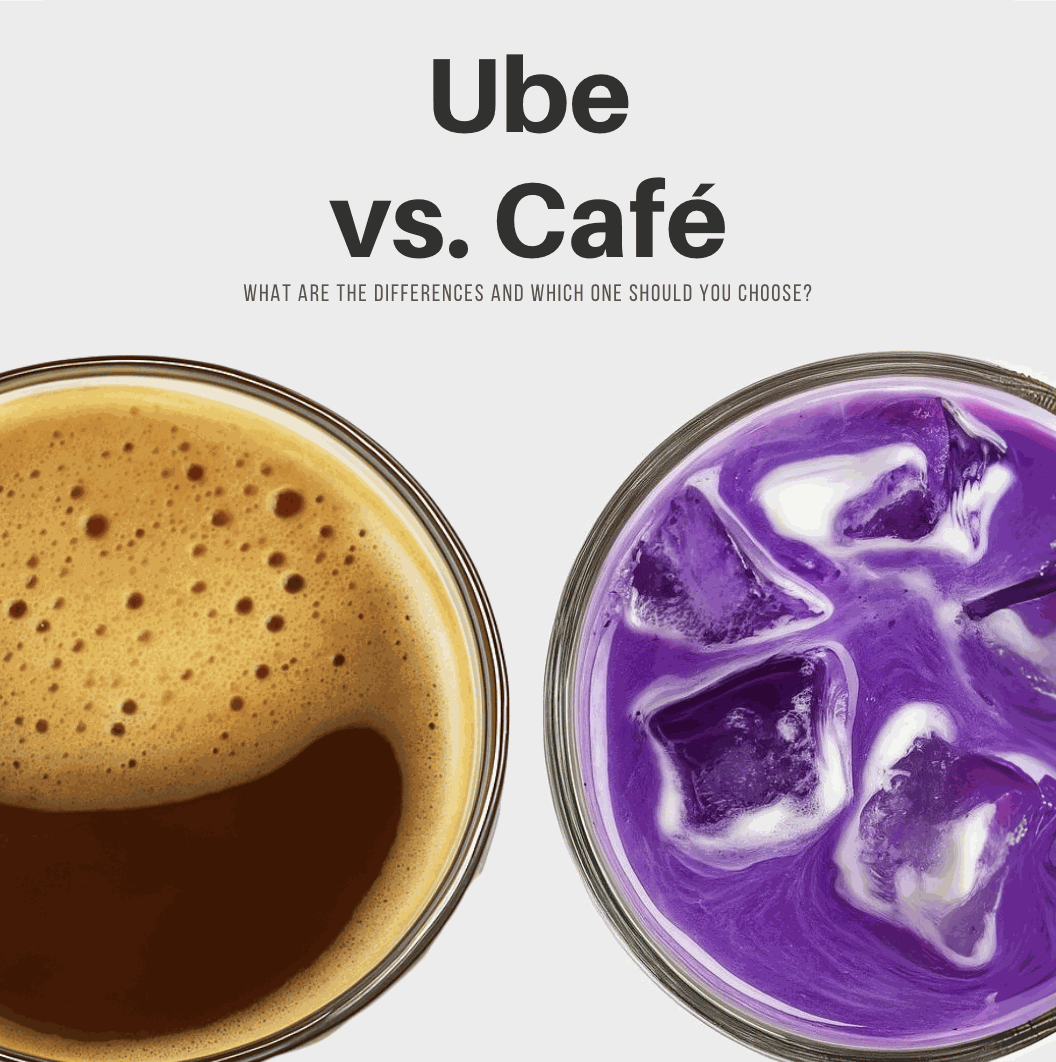
Ube Latte vs. Kaffee: Die koffeinfreie Alternative
Kann Ube Latte Ihren Morgenkaffee ersetzen? Vollständiger Vergleich von Koffein, Geschmack, Verdauung und gesundheitlichen Vorteilen.
March 4, 2026
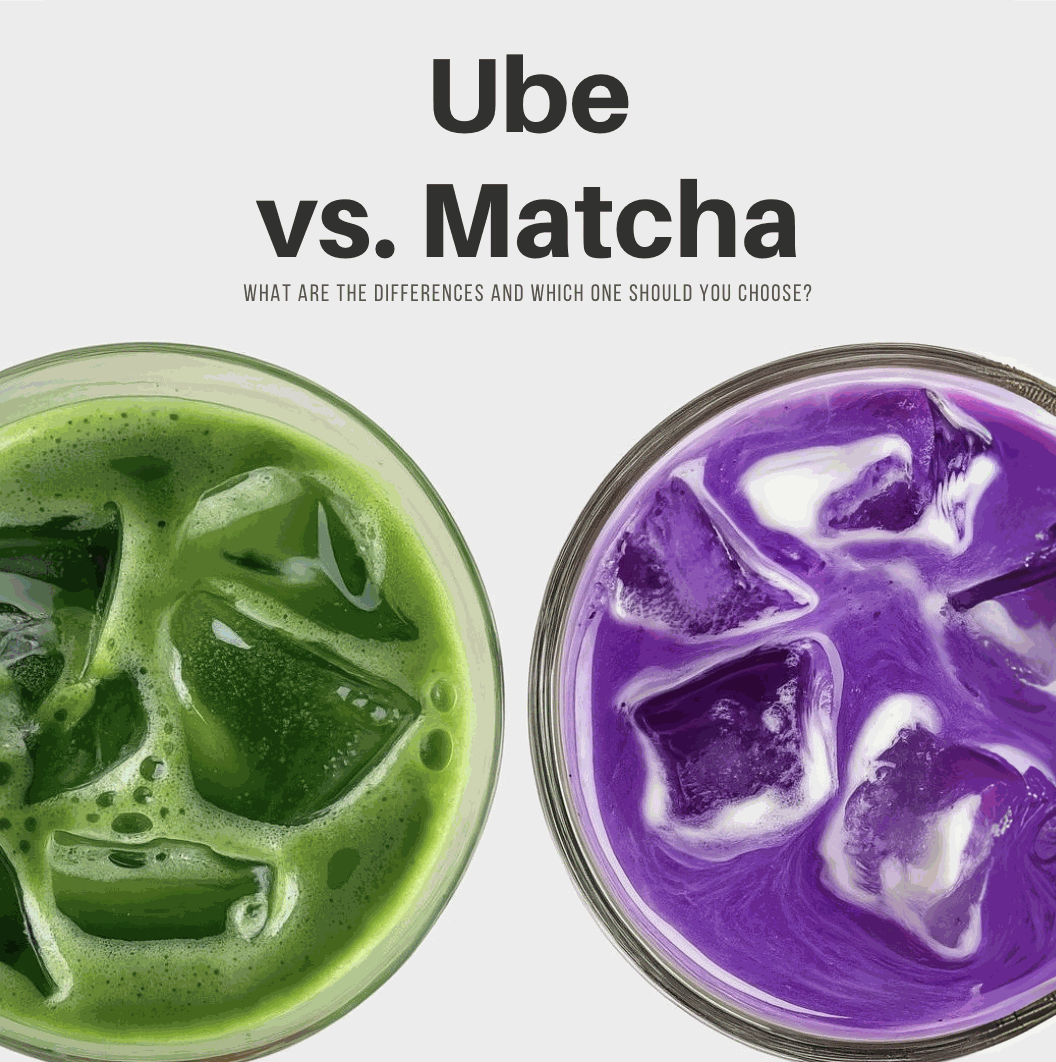
Ube Latte vs. Matcha Latte
Zwei virale Lattes, zwei lebendige Farben. Vollständiger Vergleich von Geschmack, Koffein, gesundheitlichen Vorteilen und Zubereitung.

July 10, 2025
Was ist die beste Ube-Marke?
Unser 100% ehrlicher Vergleich von Ube-Pulvermarken. Herkunft, Reinheit, Geschmack, Verarbeitung: alles, was Sie wissen müssen.
March 25, 2025
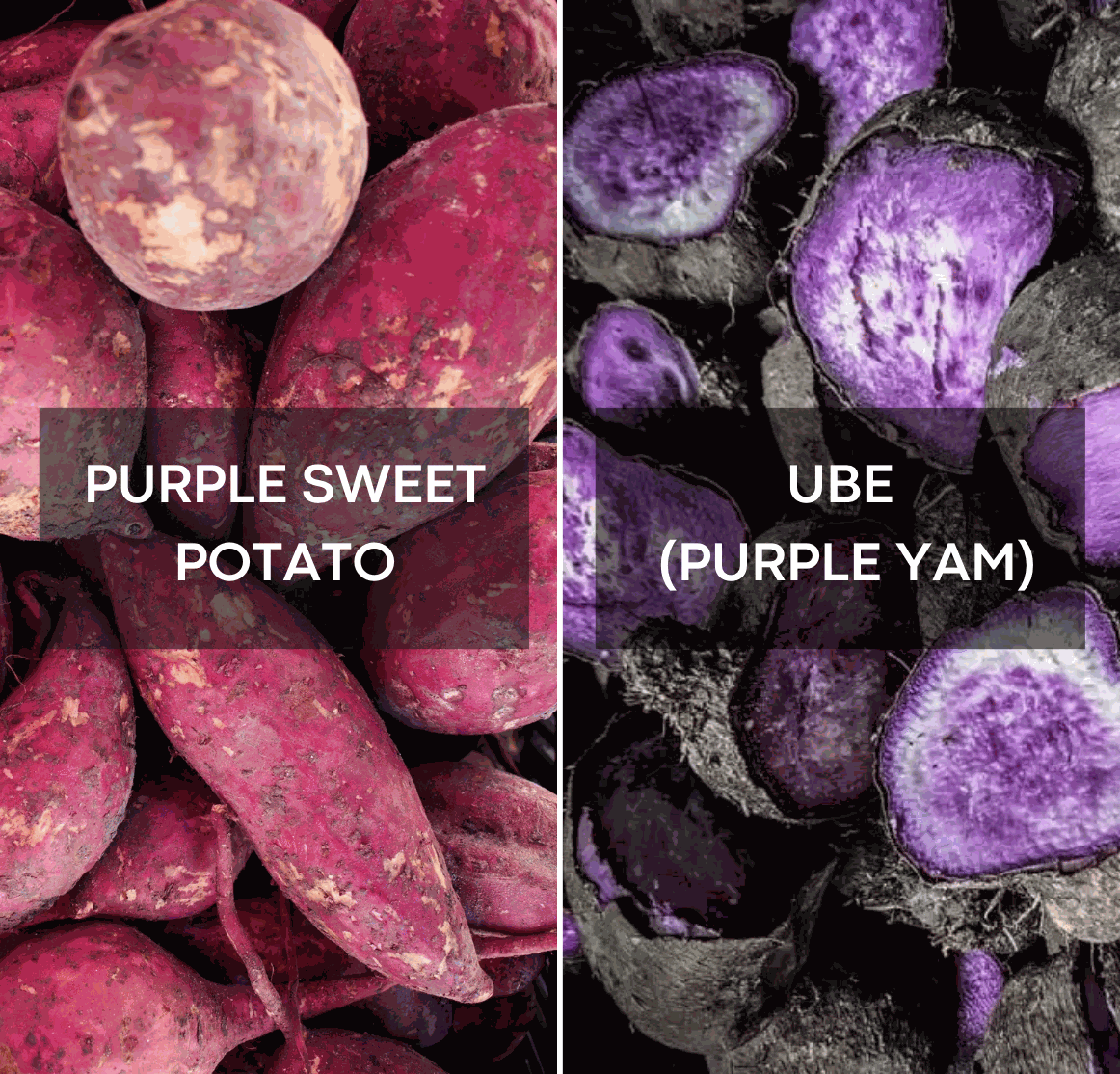
Ube vs. Lila Süßkartoffel
Ube und lila Süßkartoffel sehen ähnlich aus, schmecken aber völlig unterschiedlich. Vollständiger Vergleichsleitfaden.
March 20, 2025
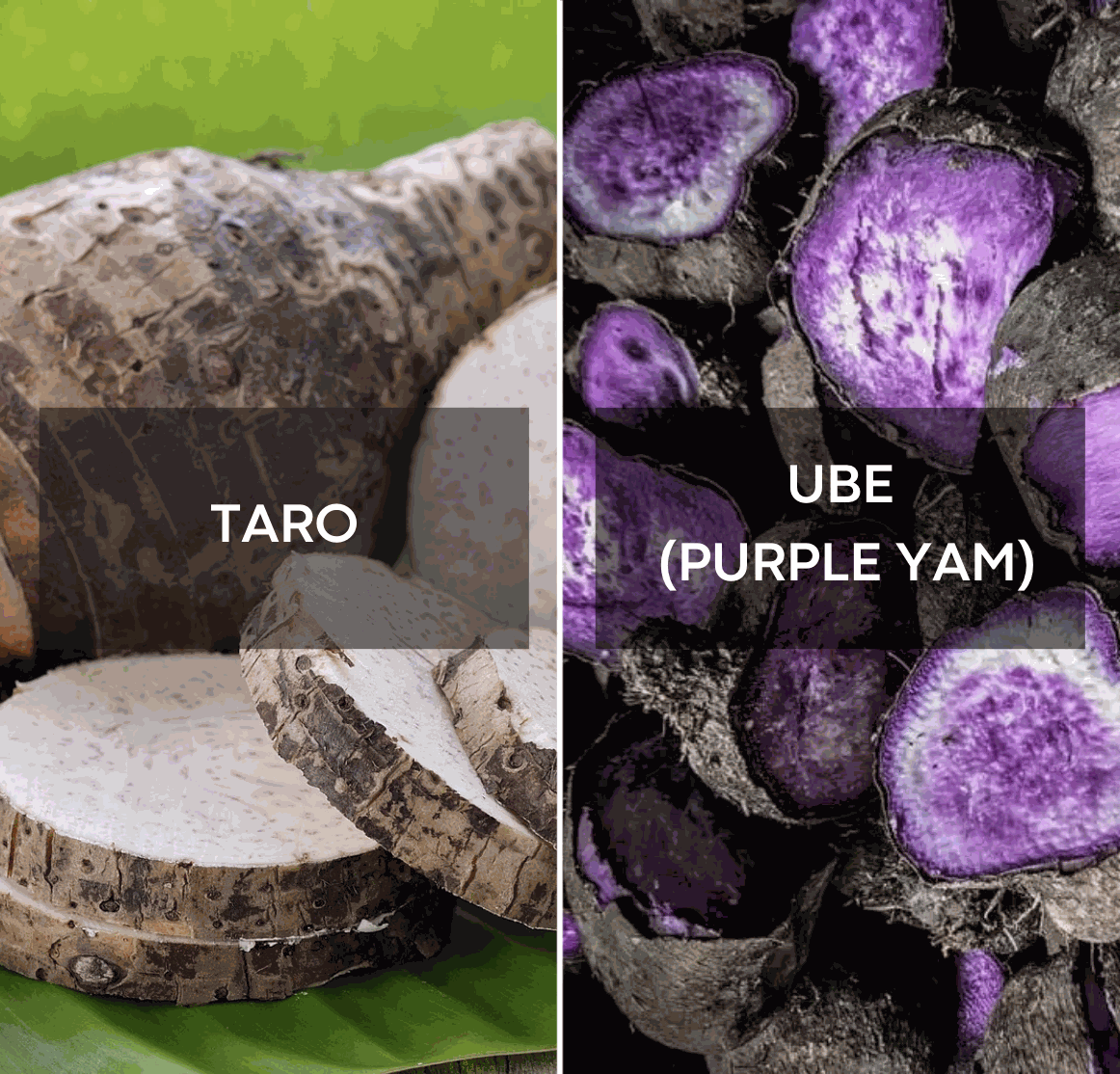
Ube vs. Taro: Was ist der wahre Unterschied?
Ube und Taro werden oft verwechselt. Entdecken Sie, was sie einzigartig macht und warum Ube heraussticht.
March 7, 2026
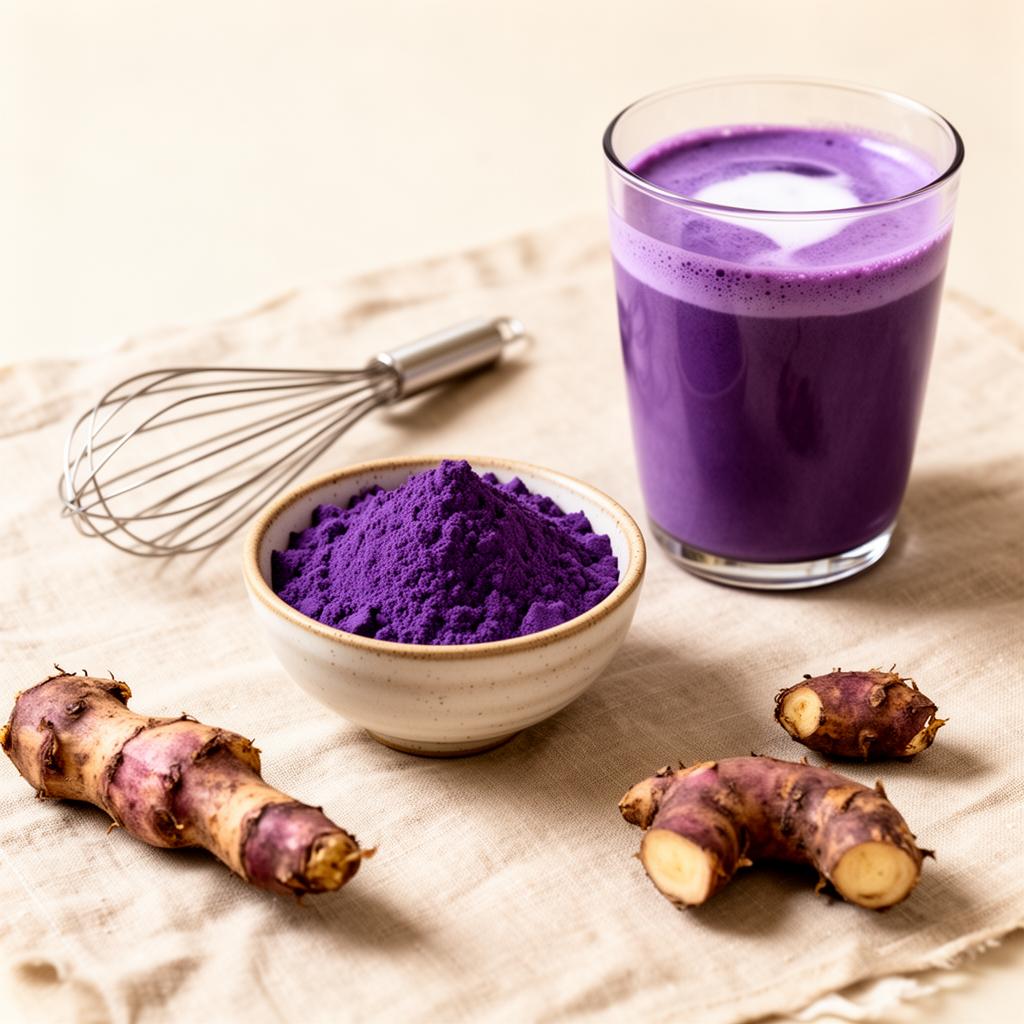
Ube Pulver kaufen: Der komplette Leitfaden
Alles über den Kauf von Ube-Pulver: Qualitätskriterien, Formate, Preise, Rezepte. 100% reines philippinisches Ube.
March 7, 2026
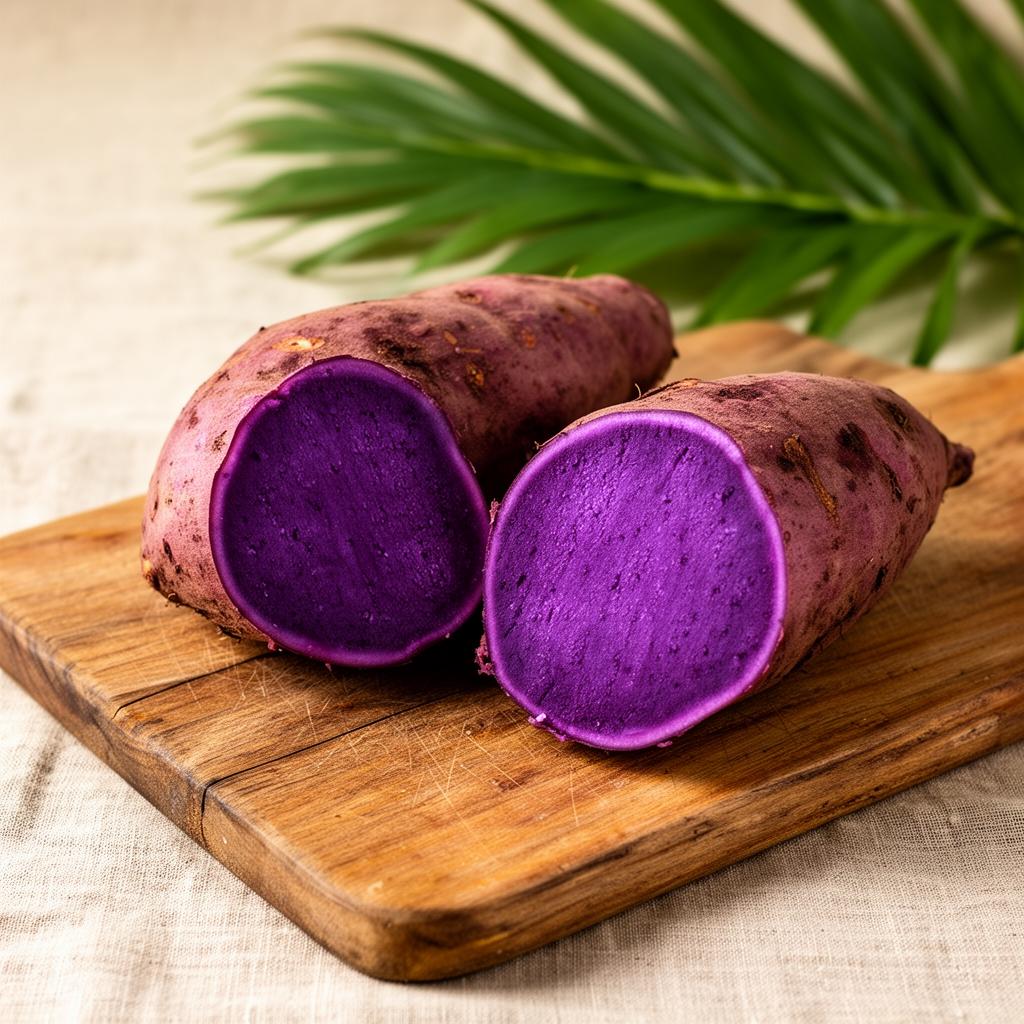
Was ist lila Yamswurzel (Ube)?
Herkunft, Geschmack, Nährwerte und Verwendung dieses leuchtenden philippinischen Superfoods. Lila Yamswurzel vs. Taro vs. Süßkartoffel.
March 7, 2026
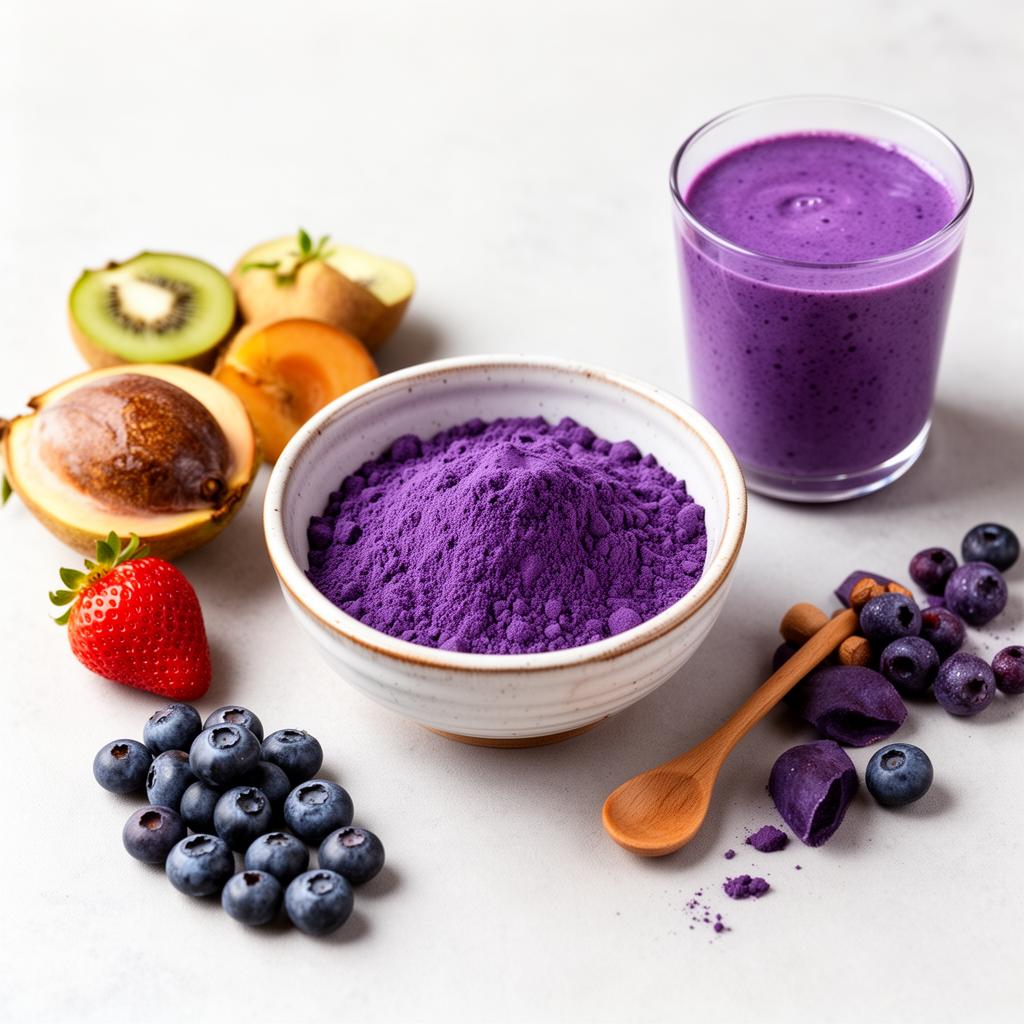
Vorteile von Ube Pulver: Ernährungsratgeber
Anthocyane, Antioxidantien, Ballaststoffe, Vitamine: Was lila Yamspulver zu einem natürlichen Superfood macht.
March 8, 2026
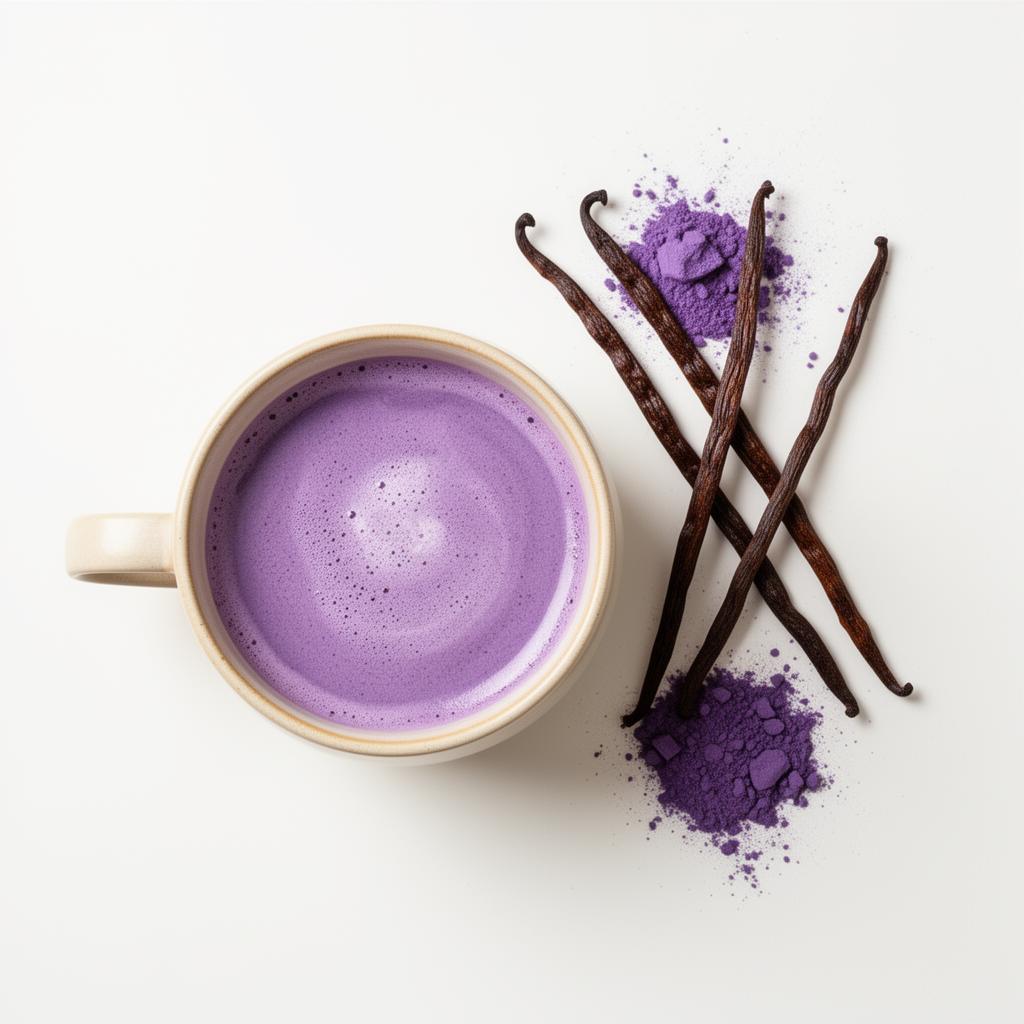
Was ist Ube-Vanille?
Ube schmeckt natürlich nach Vanille, weißer Schokolade und gerösteter Haselnuss. Der angesagteste Geschmack des Jahres 2026.
March 27, 2026
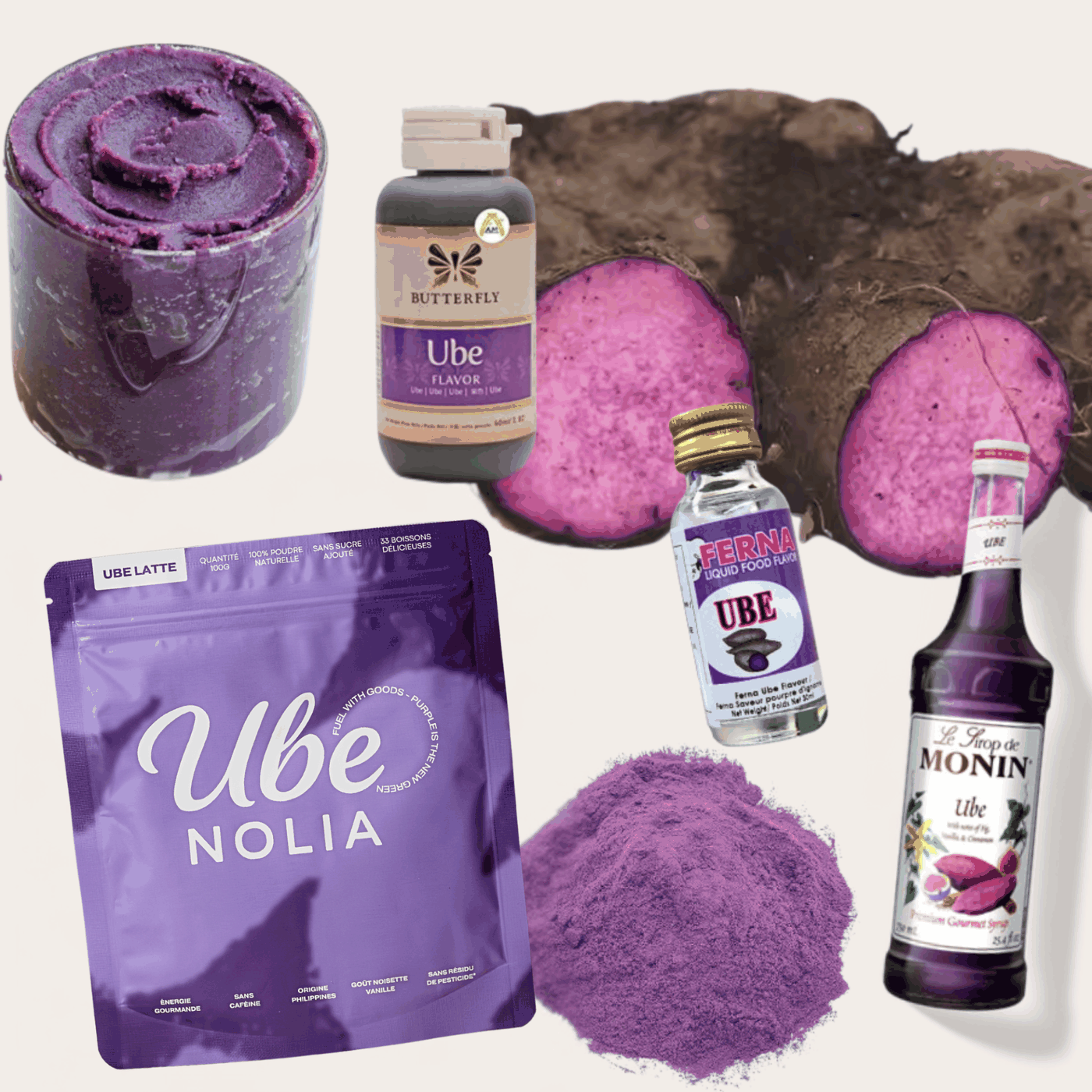
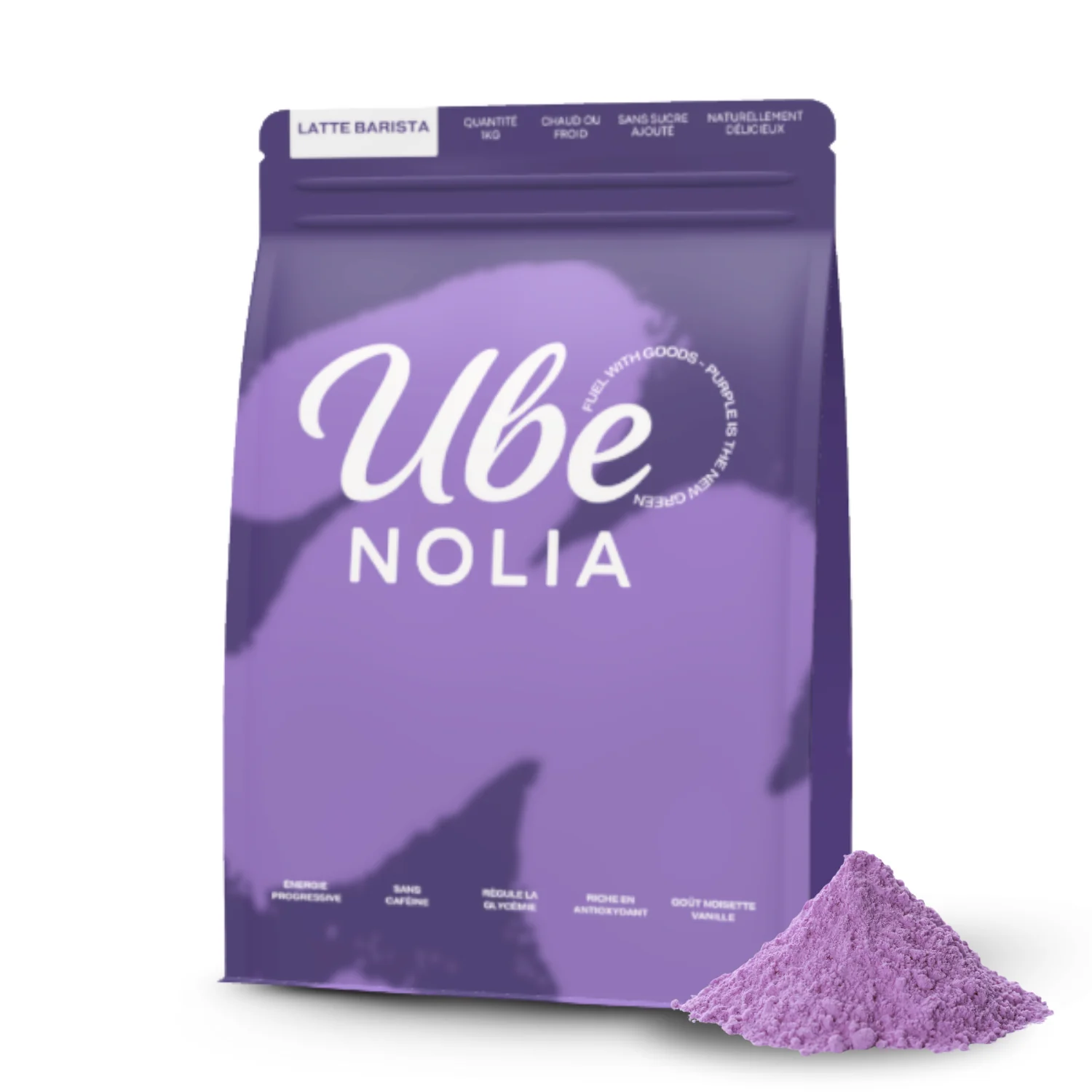
Welches Ube wählen? Pulver, Sirup, Extrakt
Vollständiger Vergleich von Ube Pulver vs Sirup vs Extrakt. Dosierungen, Rezepte, Farbtipps und Fehler, die es zu vermeiden gilt.
March 27, 2026
Wie man den besten Großhandels-Ube Pulverlieferanten wählt
Wichtige Kriterien für die Auswahl eines Großhandelslieferanten für Ube Pulver. Qualität, Rückverfolgbarkeit, Zertifizierungen und Lieferstabilität.
About Ube - The Complete Guide to the Purple Yam
Ube (Dioscorea alata), also known as purple yam, is a tropical tuber native to the Philippines and Southeast Asia. Prized for its striking violet color, naturally sweet flavor with notes of vanilla and toasted hazelnut, and impressive nutritional profile, ube has become a global sensation in lattes, desserts, and health-conscious cooking. Here's everything you need to know.
What Is Ube?
Ube is a climbing yam from the Dioscorea family, cultivated for centuries in the Philippines, Indonesia, and other tropical regions. Unlike regular yams or sweet potatoes, ube has an intensely purple flesh that retains its vibrant color after cooking.
What makes ube unique:
- Deep, stable purple color - 100% natural, no artificial dyes needed
- Sweet, creamy flavor with vanilla, hazelnut, and chestnut notes
- Silky, mousse-like texture when cooked and blended
- Rich in anthocyanins - 7x more antioxidants than blueberries
- Naturally gluten-free, vegan, and caffeine-free
Ube vs Taro vs Purple Sweet Potato
These three purple tubers are often confused, but they are completely different plants with distinct flavors, textures, and culinary uses:
Ube vs Taro: What's the Difference?
Taro is starchy and earthy, best for savory dishes. Ube is sweet and creamy, perfect for desserts and lattes. Different botanical families entirely.
Ube vs Purple Sweet Potato: What's the Difference?
Purple sweet potato is more fibrous and earthy, ideal for gratins and curries. Ube delivers a silky, vanilla-hazelnut experience for desserts and drinks.
Health Benefits of Ube
Ube isn't just beautiful - it's a nutritional powerhouse packed with vitamins, minerals, and antioxidants:
- Anthocyanins - powerful antioxidants that give ube its purple color and protect cells from oxidative stress
- 155% daily value of manganese - supports bone health, metabolism, and immune function
- Vitamin C - boosts immunity and promotes healthy skin
- 8.8g fiber per 100g - supports digestion and gut health
- Iron (31%), copper (64%), magnesium (25%) - essential minerals for energy and vitality
- Low calorie - only ~120 kcal per 100g of raw ube
No added sugar, no gluten, no major allergens. A perfect ingredient for anyone following a balanced, plant-based, or anti-inflammatory diet.
How to Use Ube in Your Kitchen
The easiest way to enjoy ube at home is with ube powder - no peeling, boiling, or prep required. Here's what you can make:
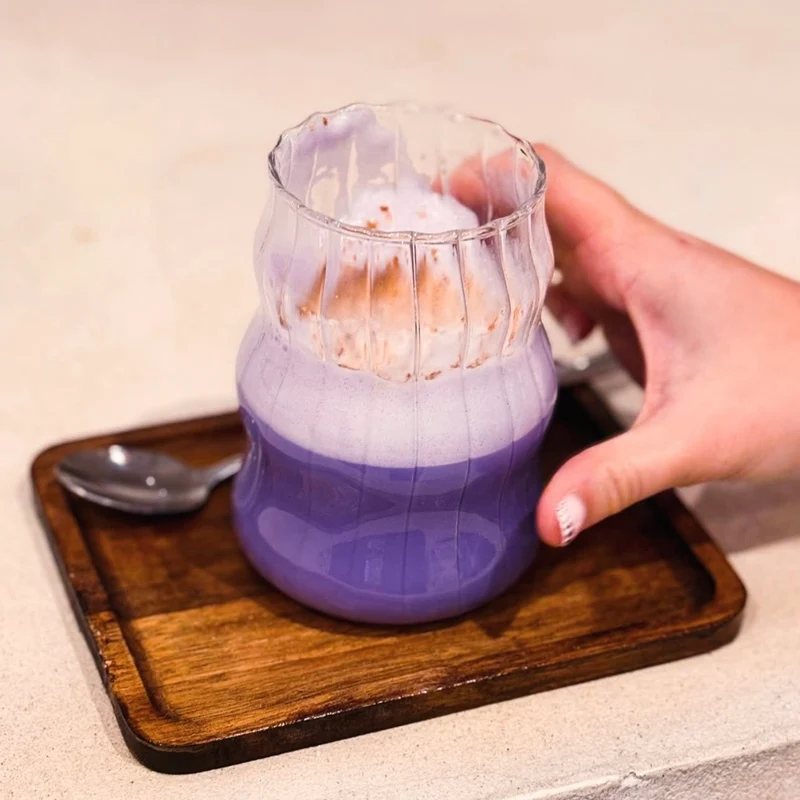
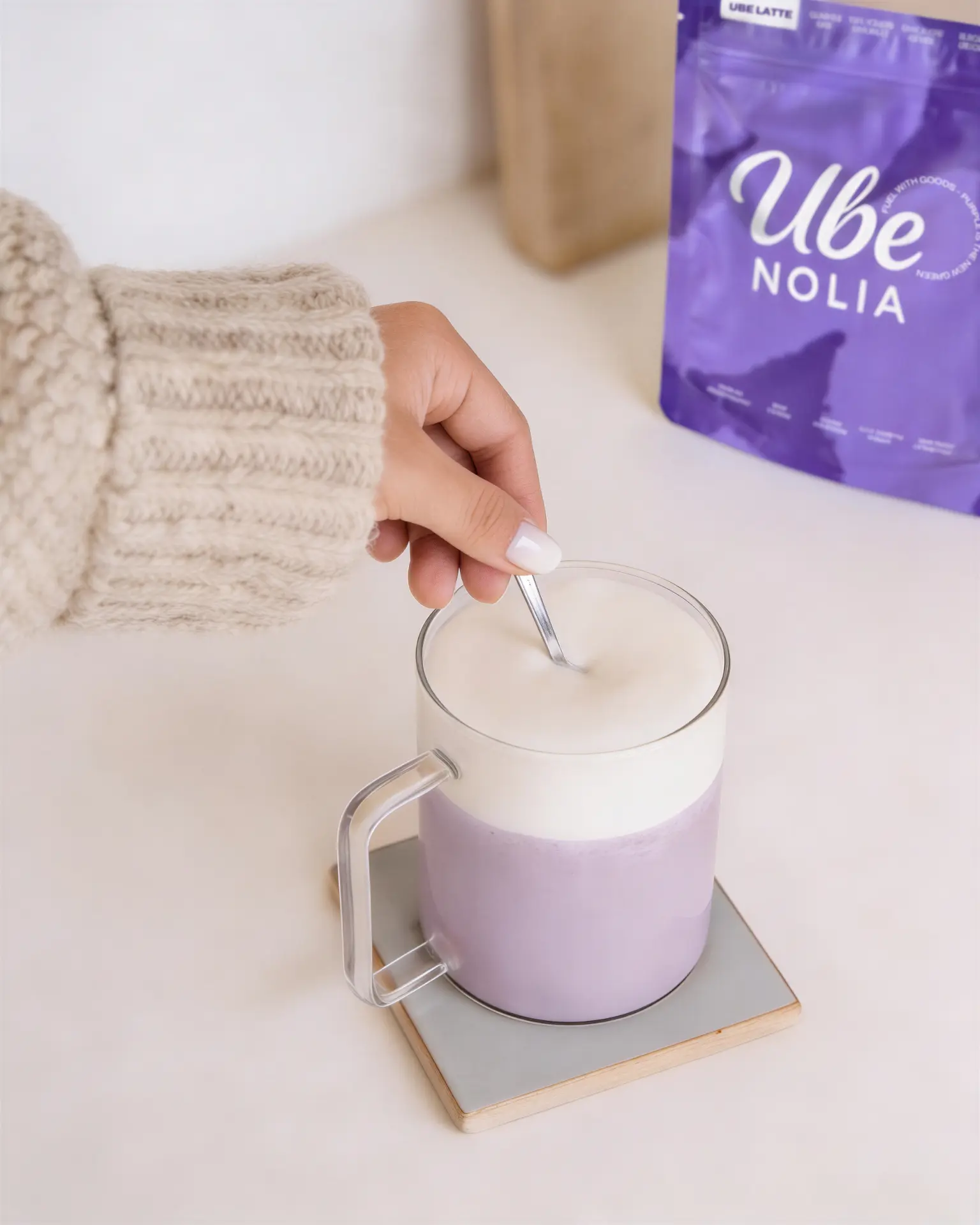
- Ube lattes - hot, iced, or blended. The #1 reason people discover ube (see all recipes)
- Desserts - muffins, cheesecake, panna cotta, ice cream, puddings
- Spreads - ube halaya (Filipino jam), butter blends, cream cheese
- Smoothies & bowls - add a scoop for color and nutrition
- Baking - naturally color cakes, cookies, and breads purple
Ube in Filipino Culture
In the Philippines, ube is more than an ingredient - it's a cultural icon. For centuries, Filipino families have prepared ube halaya (a sweet purple jam made by slowly cooking ube with condensed milk and butter) for festivals, holidays, and family celebrations.
Ube also stars in halo-halo (a layered shaved ice dessert), pandesal (purple bread rolls), ensaymada (sweet brioche), and countless modern creations. The ube latte is the latest chapter in this rich culinary tradition, bringing Filipino flavors to coffee shops worldwide.
Why Choose Ube Nolia?
Not all ube powders are created equal. Ube Nolia stands out because:
- 100% pure ube - no fillers, no artificial colors, no added sugar
- Sourced from the Philippines - authentic Dioscorea alata from trusted farms
- Fine powder texture - dissolves instantly in hot or cold liquids
- Versatile - perfect for lattes, baking, desserts, and smoothies
- 33+ servings per bag - less than 0,76 € per cup
Ready to try? Shop Ube Nolia powder and start your purple journey.



Erhalten Sie 10% Rabatt auf Ihre erste Bestellung
Melden Sie sich an, um einen sofortigen Rabatt von 10% sowie unseren Newsletter und aktuelle Aktionen zu erhalten.