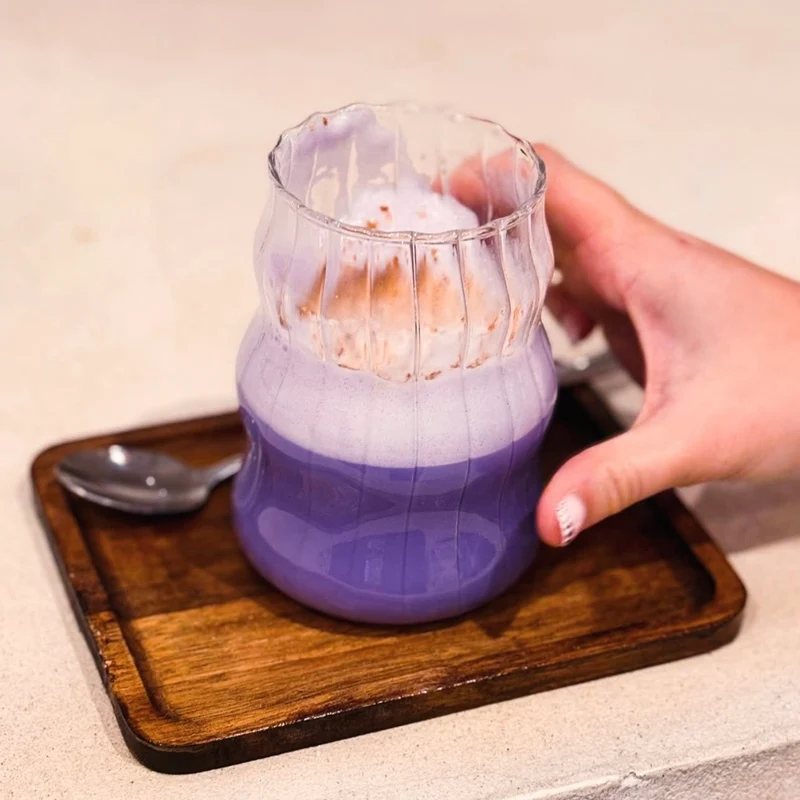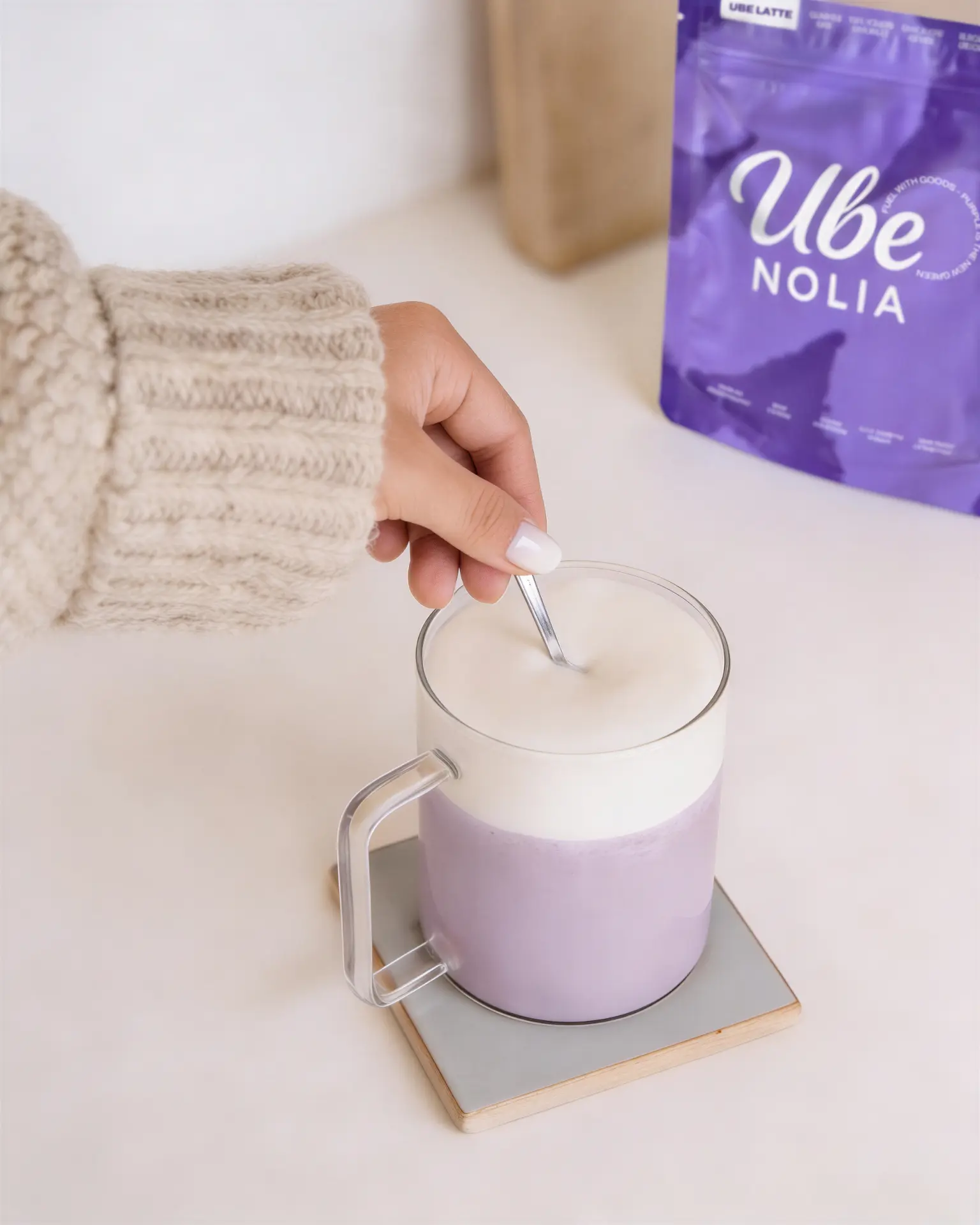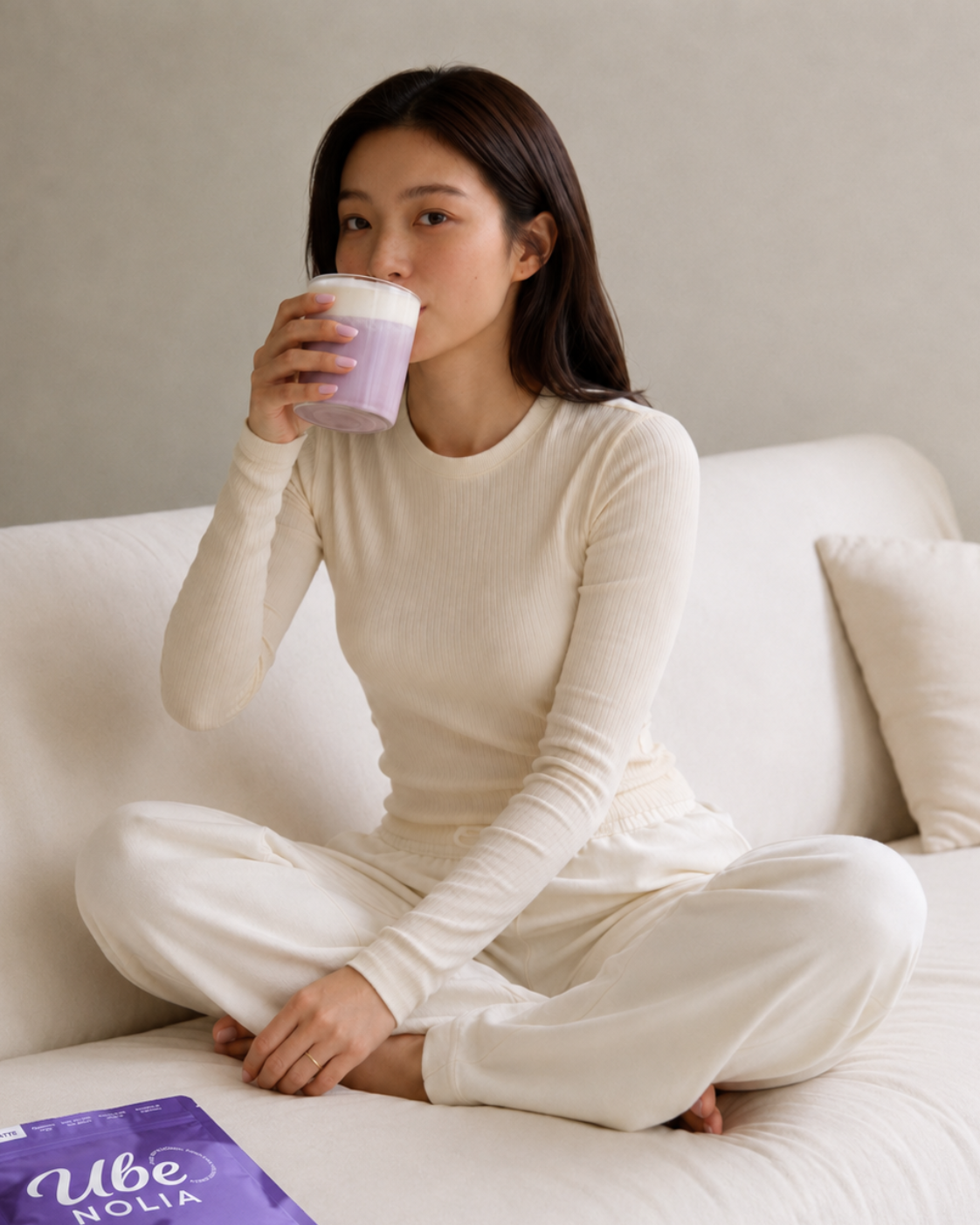
Made with 100% natural purple yam powder from Ube Nolia
August 4, 2026 · Complete Guide
Ube Guide: Origin, Taste, Nutrition & How to Use It
Everything you need to know about ube, the purple yam from the Philippines taking over lattes, desserts, and social feeds.
Quick answer
Key facts
- Origin: Philippines, Pangasinan province (Dagupan & Urdaneta)
- Taste: vanilla, toasted hazelnut, white chocolate, creamy earthiness
- Color: natural purple from anthocyanin antioxidants
- Format: 100g pouch = 33 lattes, from ~€0.39 per drink with the 5-pack
- Usage: 2-3g per 250ml drink, 1-2% for baking and creams
Also read: Ube Nutrition Facts, How to Use Ube Powder, Ube Glossary.
Ube Nolia sells 100% natural ube powder from Dagupan, a single-ingredient purple yam powder: 33 lattes per 100g pouch, from €0.39 per drink.
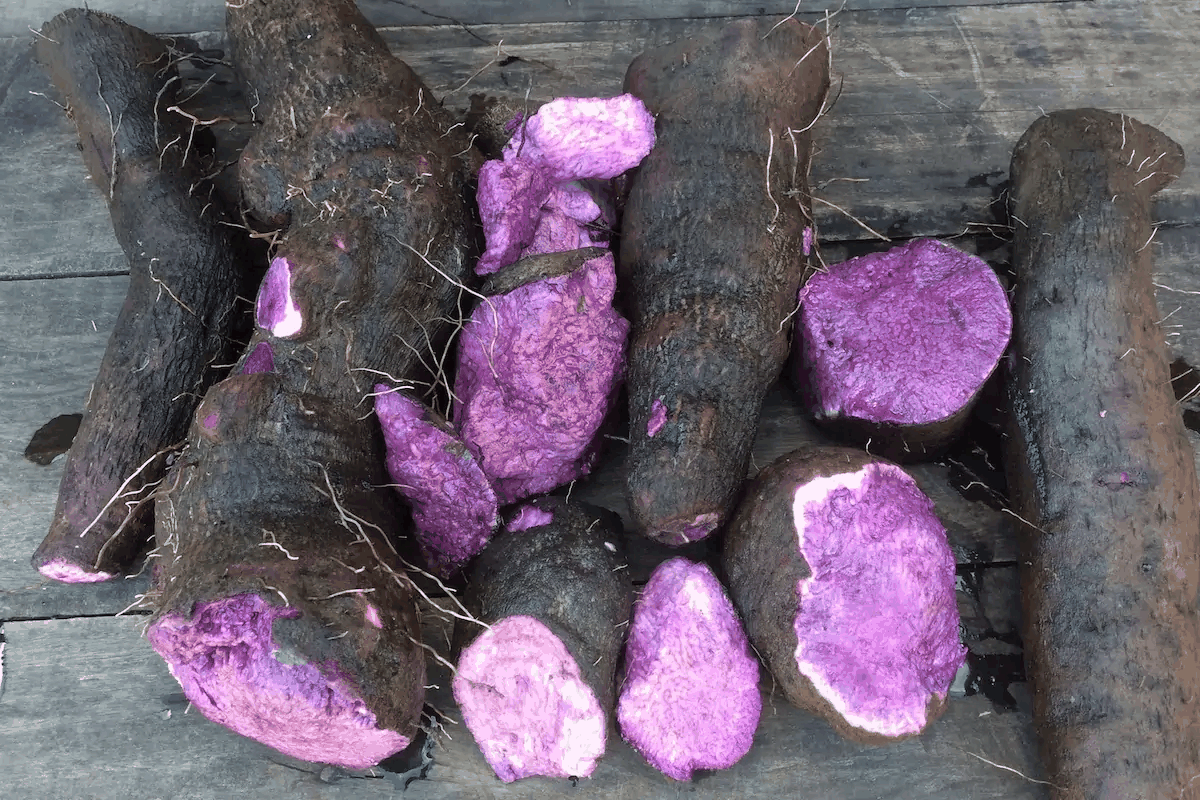
What Is Ube?
Ube is the tuber of Dioscorea alata, a tropical yam widely grown in the Philippines and other parts of Southeast Asia. Unlike orange sweet potato or taro, ube has a distinctive pale-to-deep purple flesh, a naturally sweet taste, and a fragrance often compared to vanilla, toasted hazelnut, and white chocolate.
In the Philippines, ube is a staple in traditional desserts such as halaya (ube jam), leche flan, cakes, and ice cream. Over the last decade it has become a global trend, appearing in lattes, croissants, macarons, bubble tea, and artisan chocolates.
Where Does Ube Come From?
The best culinary ube comes from the Ilocos region of the Philippines, especially the provinces of Pangasinan and La Union. UBE NOLIA® works directly with growers in Dagupan and Urdaneta, where the combination of volcanic soil, steady tropical heat, and careful crop rotation produces roots with intense color and rich flavor.
Our supply chain is short: harvest, wash, steam, dry, and micronize. The powder is then tested for moisture, microbiology, and color stability before it reaches our EU warehouse. This traceability is what lets us guarantee a 100% pure, single-ingredient product.
What Does Ube Taste Like?
Ube is subtle. Its flavor is often described as:
- Vanilla — a soft, creamy sweetness
- Toasted hazelnut — warm, nutty depth (never bitter or oily)
- White chocolate — milky, rounded finish
- Earthy sweetness — mild root-vegetable base that balances sugar
This profile makes ube extremely versatile. It pairs naturally with coconut, milk, dark chocolate, pistachio, matcha, coffee, and tropical fruits such as mango and passion fruit.
Ube vs Taro vs Purple Sweet Potato
Ube
Purple yam (Dioscorea alata). Sweet, vanilla-hazelnut flavor. Deep violet color.
Taro
Different root. Nutty, neutral, slightly starchy. Lighter purple-gray color.
Purple sweet potato
Ipomoea batatas. Earthier, denser, less aromatic. Used more in savory dishes.
For a deeper, data-backed breakdown (botanical names, calories, texture, cost per drink), read our full ube vs taro comparison.
How to Use Ube Powder Every Day
Ube powder is the easiest way to add real ube flavor and color to drinks and desserts. Because it is dry and shelf-stable, it is far more practical than fresh ube or ube halaya.
- Lattes & hot drinks: 2-3g per 250ml of milk or plant-based milk, whisked into warm liquid.
- Baking: 1-2% of total dry weight in cakes, brownies, cookies, and bread.
- Ice cream & pastry cream: 1-2% of base weight for color and flavor.
- Dusting & decoration: a small sieve of powder on top of desserts or latte foam.
See our full guide: How to Use Ube Powder.
Why Choose UBE NOLIA® Ube Powder?
Our powder is made from a single ingredient: 100% pure ube. No added sugar, no artificial coloring, no additives, no preservatives. Every batch is traceable to farms in the Philippines and tested before shipping from our EU warehouse.
100% pure ube
One ingredient. Nothing else.
Traceable origin
Dagupan & Urdaneta, Philippines.
Lab tested
Microbiology, moisture, and color stability.
Shipped from EU
Fast delivery, no customs surprises.
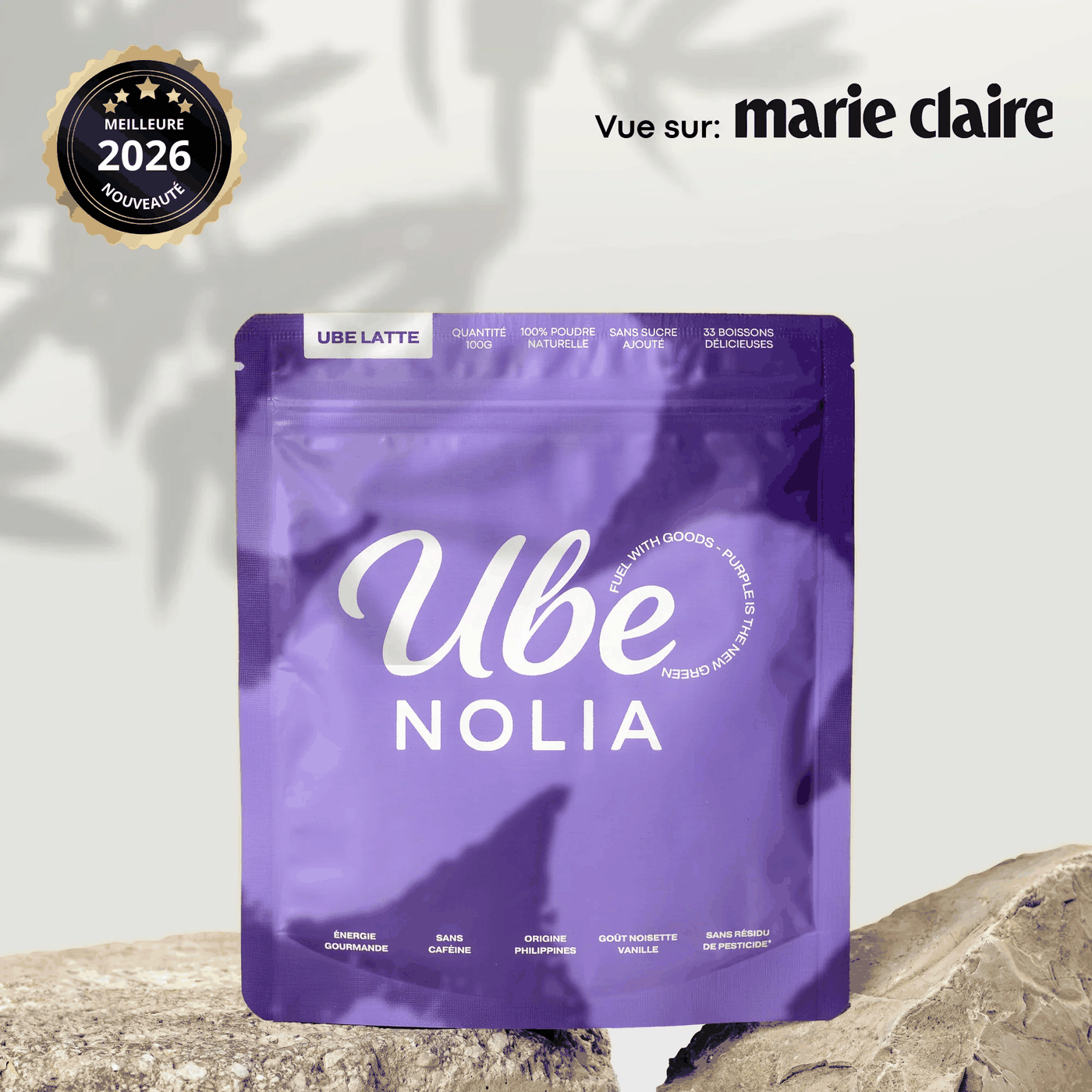
Less than a coffee. Better than a matcha.
With the 5-pack subscription, you get 165 ube lattes at home. Cheaper than a café - and delivered to your door.
Frequently Asked Questions
Written by Sarah N. — UBE NOLIA® team. Last updated August 4, 2026.