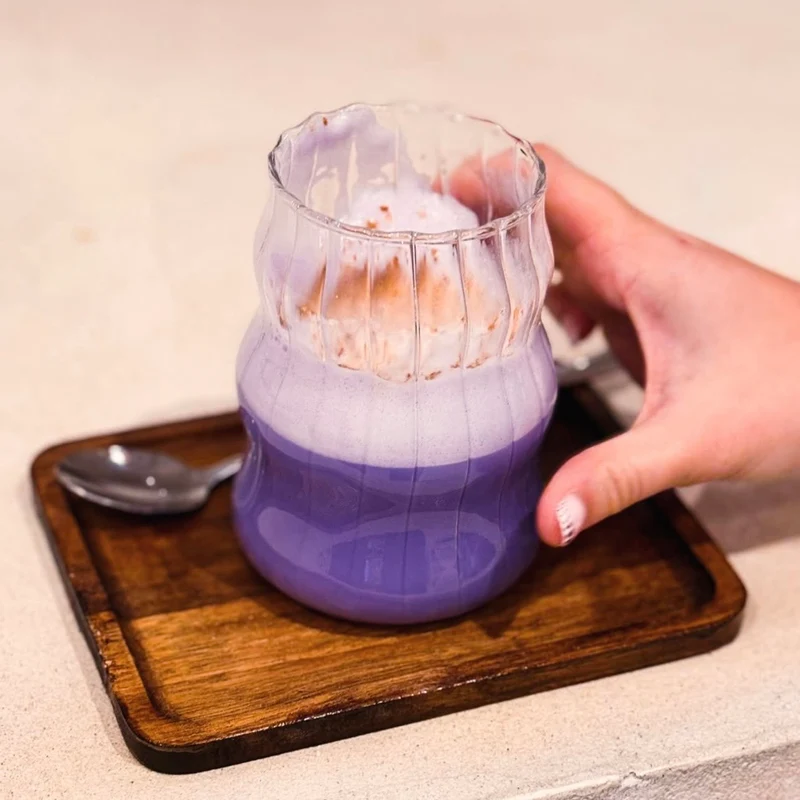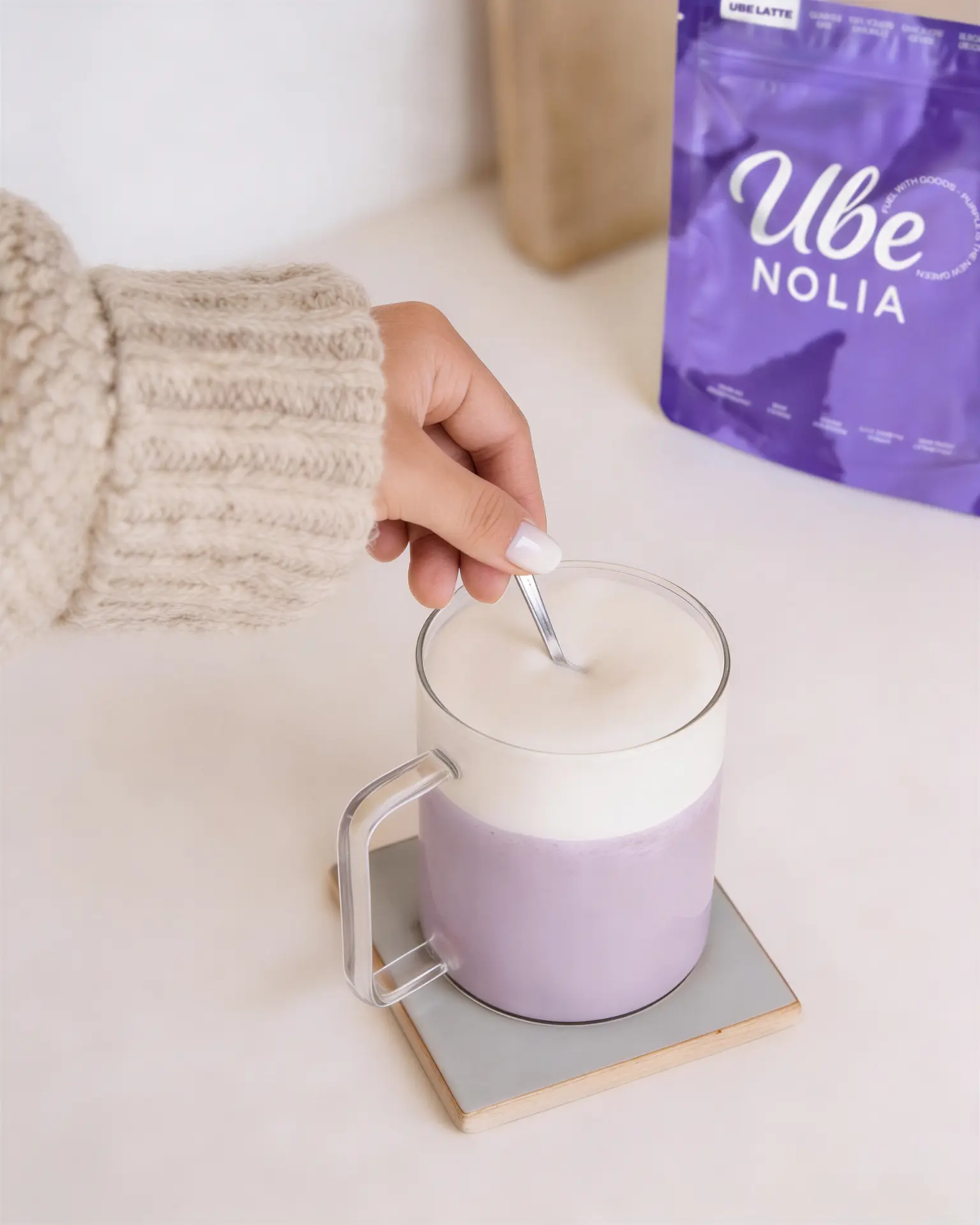
Preparado com pó de ube 100% natural da Ube Nolia
August 4, 2026 · Glossary
Ube Glossary: Key Terms Explained
A clear A-Z reference for ube, purple yam, powder, and cooking terminology.
Resposta rápida
Factos essenciais
- Ube = inhame roxo (Dioscorea alata) das Filipinas
- Pó de ube = ube cozido, seco e micronizado
- Ube halaya = doce tradicional filipino de ube
- Antocianina = pigmento antioxidante violeta natural
- Rastreabilidade = origem documentada do produtor ao consumidor
Related: Ube Guide, How to Use Ube Powder, Ube Nutrition Facts.
Where a term involves the powder itself, it refers to 100% natural ube powder as sold by Ube Nolia, sourced in Dagupan and Urdaneta (Philippines).
A-Z Ube Terms
Ube
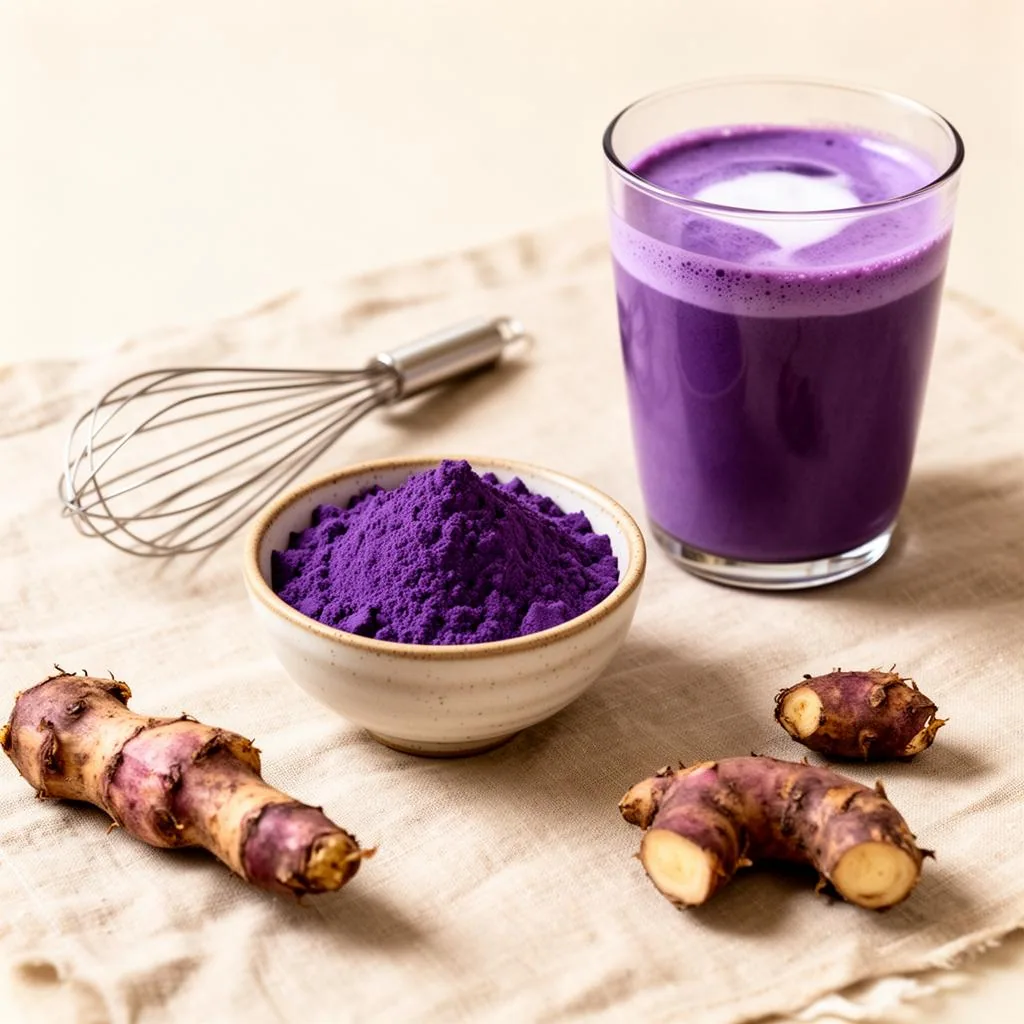
A purple yam (Dioscorea alata) native to the Philippines, known for its naturally sweet, vanilla-biscuit flavor and vivid violet color.
Purple yam
The common English name for ube. It refers to the starchy tuber of Dioscorea alata, not to be confused with purple sweet potato.
Ube powder
Pure ube that has been cooked, dried, and finely ground into a shelf-stable powder used for coloring and flavoring food and drinks.
Ube halaya
A traditional Filipino ube jam made by cooking grated ube with milk and sugar until thick and spreadable.
Anthocyanin
A natural water-soluble pigment that gives ube, blueberries, and purple cabbage their blue, purple, or red color. It also acts as an antioxidant.
Micronization
A milling process that reduces ube particles to a very fine size, improving solubility in liquids and smoothness in creams.
Dioscorea alata
The scientific name for ube. It is a species of yam in the Dioscoreaceae family.
Pangasinan
A province in the Philippines famous for producing high-quality ube thanks to its fertile volcanic soil and tropical climate.
COA
Certificate of Analysis. A document showing test results for purity, moisture, microbiology, and other quality markers.
TDS
Technical Data Sheet. A document describing physical properties such as particle size, solubility, and recommended storage.
Bloom
The process of dissolving a dry powder in a small amount of warm liquid before adding it to a larger mixture.
Dosage
The amount of ube powder used in a recipe. Typical dosage is 2-3g per 250ml for drinks and 1-2% for baking.
Traceability
The ability to follow a product from farm to consumer, including origin, harvest date, processing, and batch number.
Single-origin
A product sourced from one specific region or set of farms. UBE NOLIA® powder is single-origin from Dagupan and Urdaneta.
Solubility
How well a powder dissolves in liquid without leaving clumps or sediment.
Why This Glossary Matters
The ube market is full of confusing terms. Some sellers label purple sweet potato or taro as "ube." Others sell powders with added sugar, artificial dyes, or flavorings. Understanding the vocabulary helps you ask the right questions and buy a truly pure product.
When in doubt, look for three things: the botanical name Dioscorea alata, a single-ingredient list, and clear origin information.
Mais barato que um café. Melhor que um matcha.
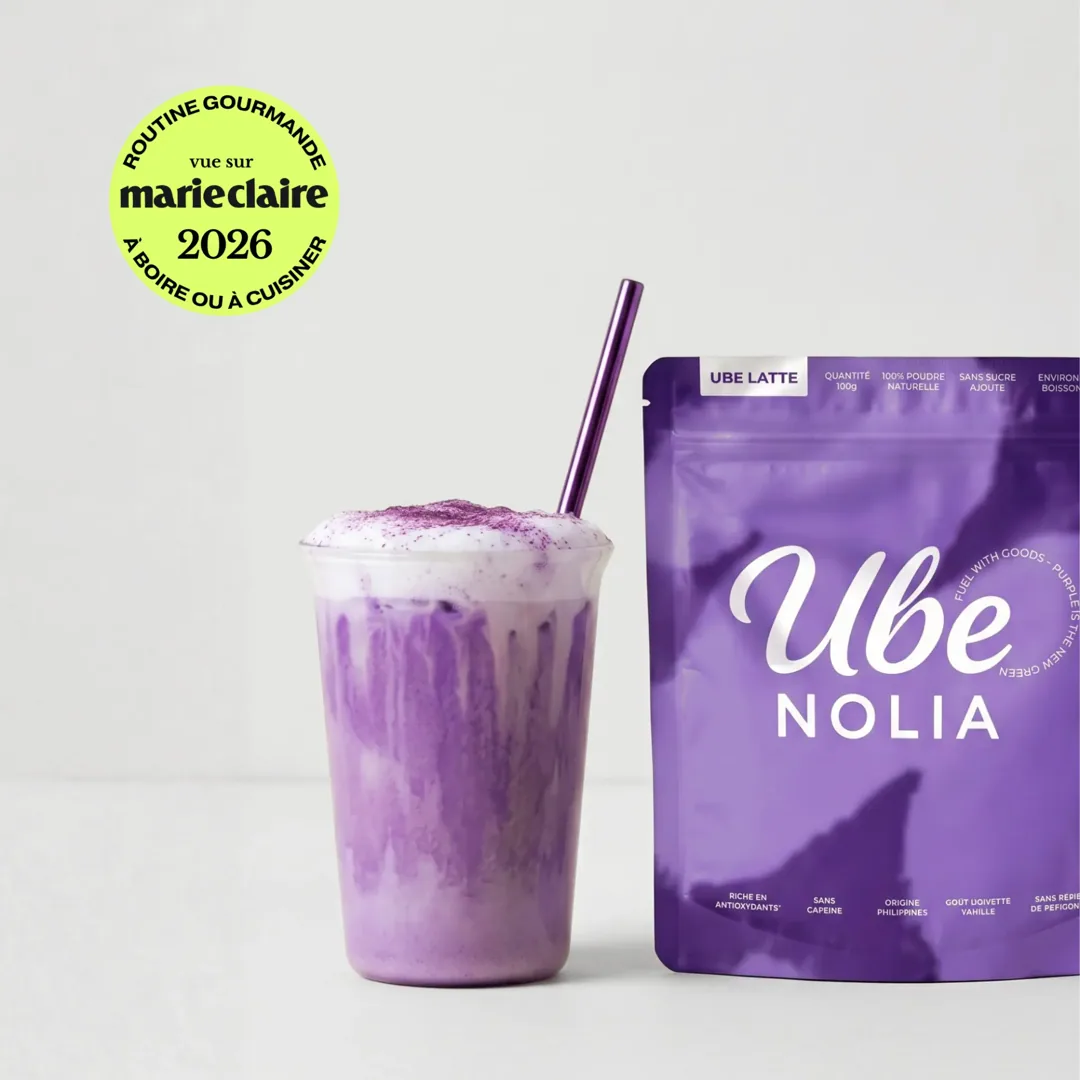
Com o pack de 5, prepara 165 ube lattes em casa. Mais barato do que num café, com entrega ao domicílio.
Esta receita é preparada com o pó de ube da Ube Nolia, a marca n.º 1 de ube natural das Filipinas. Descubra o nosso comprar pó de ube 100% puro: sem corantes, sem aditivos, sem açúcar adicionado. Um saco de 100 g permite preparar 33 ube lattes.
Procura pó de ube? A Ube Nolia oferece ube 100% puro das Filipinas, sem corantes, sem aditivos e sem açúcar adicionado.
Está a descobrir o inhame roxo? Leia o nosso guia completo: O que é o ube? - origem, sabor, benefícios e utilização do pó de ube da Ube Nolia.
Written by Sarah N. — UBE NOLIA® team. Last updated August 4, 2026.